



The number and substance of questions I am regularly asked about the future of the Baptist General Convention of Texas suggests there is considerable concern among Texas Baptists about their state convention. The questions are made more acute by the approaching 2026 BGCT annual meeting.
I will address some of the questions briefly in what follows. But I won’t answer them all—maybe not any of them—nor do I intend to do so.
For one, you need to answer some things for yourself. For another, some answers need to be deliberated together, not dictated from “on high.” Nor can they be settled in an annual meeting. Our Voices column has been a forum for deliberation on these questions for the last several weeks and likely will be through at least the annual meeting in mid-November.
Another reason I won’t answer all the questions is I want to leave some room at the end of this editorial to address, as a matter of record, the public execution controversy that took place while I was on vacation last week.
Where is all of this going?
I am regularly asked about the BGCT’s future. Asking about the future is a normal response to budget cuts, staff reductions, and restructuring, much of which has resulted from a 20-year decline in Cooperative Program giving. But the questions about the BGCT’s future are about much more than what is happening within the state-level organization.
I am regularly asked about institutional relationships, especially Baylor. I am asked whether pastors and churches will leave the convention. I am asked about egalitarianism, complementarianism, and women in ministry. People also ask about the Southern Baptist Convention’s effect on the BGCT as a whole and on local Texas Baptist churches.
More recently, people have asked about proposed constitution and bylaw amendments, GC2, and more. They want to know where all of this is going. They want to know where the BGCT is going.
The BGCT is going where you and I take it. The BGCT is not a life of its own, even though it is an institution, and institutions tend to take on a life of their own bent toward self-preservation. The BGCT is the shared relationship of 5,300 churches. And a complicated relationship it is. It’s always been that way, and I see no signs of it ever not being that way.
There is simply no way for that many churches to relate to each other and to pool resources without there being complications—read: disagreement. No matter how much conformity or uniformity may come to pass among them, 5,300 Baptist churches in Texas will never be in lockstep. There will always be disagreement among them about something.
Sign up for our weekly edition and get all our headlines in your inbox on Thursdays
The more fundamental question being asked is how much disagreement we will agree to bear together. John Whitten’s and Seth Pitman’s opinion articles address this question from differing perspectives.
Keep asking
My counsel to Texas Baptist church members is to keep asking these questions. And expect answers. The BGCT is yours. You have every right to know the ins and outs of the budget, organizational restructuring, governance, GC2, insurance program, institutional relationships, and other pertinent aspects of your shared relationship—especially if you are invested in that relationship financially and otherwise.
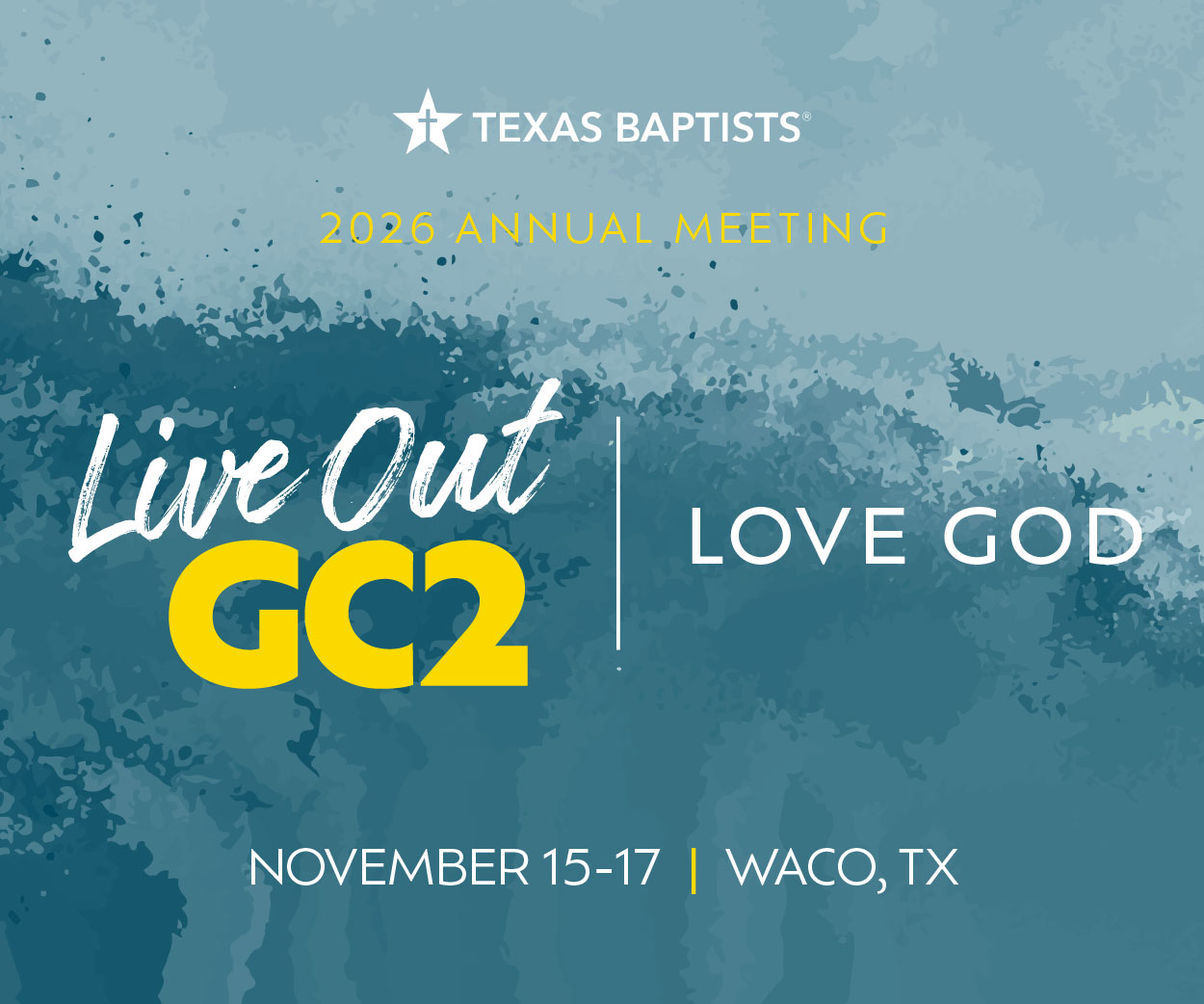
Messengers to the upcoming BGCT annual meeting will have much to consider. They should prepare themselves ahead of the Nov. 16 and 17 business sessions by praying, reading what we and Texas Baptists Communications publish on those matters, and praying again.
And it wouldn’t hurt for the business to be preceded by a collective getting on our faces before God, asking what God wants for the future of the BGCT, and waiting on God’s answer before we move forward.
My thoughts on public executions today
The Pentagon’s announcement that Nidal Hasan’s execution would be livestreamed to the public received the outrage it deserved. And not just the announcement, but the very idea.
While President Trump’s subsequent announcement that the execution would not be livestreamed quieted the controversy, I feel compelled to say something about the corrosive effect of the Pentagon’s decision.
As a criminal justice major, I understand full well the desire for deterrence. The considerable debate about the deterrent effect of executions is not new. I also am fully aware public executions have a long—and horrific—history in the United States. We must not forget executions known as lynchings were designed to terrorize, not deter.
While I have definite opinions about the history and deterrent effect of executions, the digital age makes livestreaming a public execution qualitatively different. Public executions used to be local. You had to physically be there. Not now. The digital age has made long-distance voyeurs of us all.
Not all voyeurs are seeking sexual gratification. A voyeur, as Merriam Webster defines it, can also be “a prying observer who is usually seeking the sordid or the scandalous.”
Were the execution to be livestreamed, even most Christian viewers would not be thinking about Genesis 9:6 but would be celebrating vengeance—blood for blood.
I do not believe we—being formed by a salacious, politicized, polarized, and entertainment-driven culture chasing immediate gratification in our mobile devices—can watch any public execution without being voyeurs. To livestream a public execution would only further our deformation, encouraged by a hit of dopamine.
No, public executions should not be livestreamed. The Pentagon was wrong. Robert Jeffress was wrong. It is not better for more people to see “truth illustrated through a public execution.” Jeff Leach is right: “Bloodlust isn’t Biblical. And it shouldn’t be something we celebrate or elevate in America.” I’m glad the public execution is called off. May that last decision stand.
Eric Black is the executive director, publisher, and editor of the Baptist Standard. He can be reached at [email protected]. The views expressed in this opinion article are those of the author.








We seek to connect God’s story and God’s people around the world. To learn more about God’s story, click here.
Send comments and feedback to Eric Black, our editor. For comments to be published, please specify “letter to the editor.” Maximum length for publication is 300 words.