

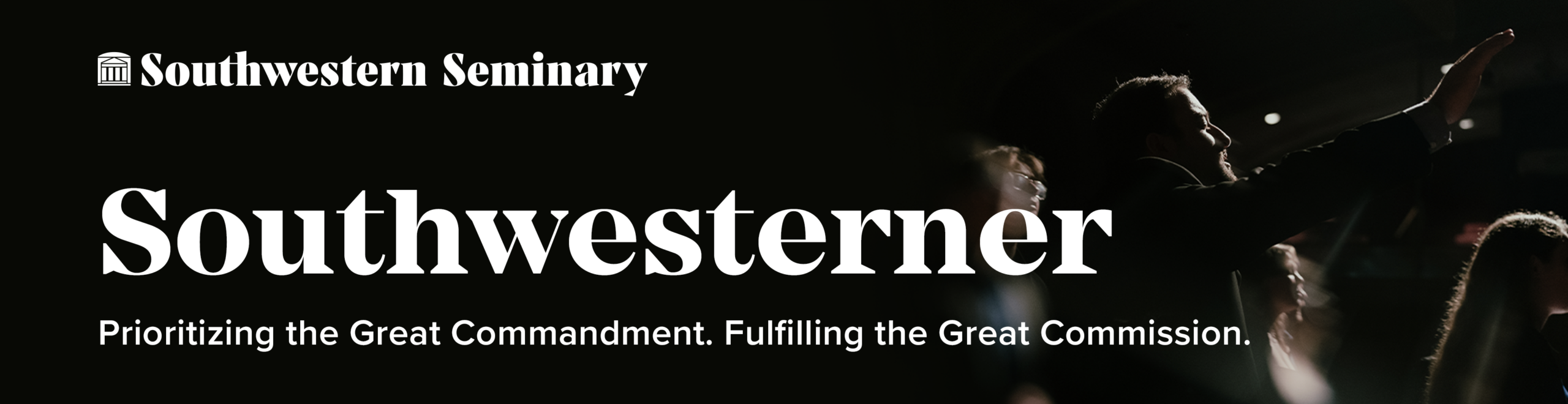



TORONTO, Canada—For Jesus, the table was an important and primary place for relationship, mission, and discipleship for the early church, Baptist World Alliance General Secretary Elijah Brown told the BWA annual gathering in Toronto, Canada.
This year’s theme, “The Table of Christ: One Gospel, Many People,” set the tone of the day for the annual gathering in Toronto, Canada.
Brown, in his opening address, spoke of the table of Christ as the place of provision and opportunity for connection to Jesus and one another as followers of Christ.
“Jesus knew the power of the table. Though he had no home of his own, Jesus offered hospitality to all. … Jesus ate with sinners. Jesus fed the hungry. He broke bread with the weary,” Brown said.
“We disciple and we grow through the gift of hospitality. Do you have a table? Let it be the place of incarnational ministry.”
Brown emphasized the need for community amid a climate of tension, fear, and polarization in the world.
“Communities are facing an epidemic of isolation and loneliness. Individuals are feeling the weight of mental health challenges. And our response is not to throw our hands up in despair, but to extend our hands out in an invitation to the table. … let us offer table hospitality,” Brown said.
Stookey and West appointed to BWA leadership
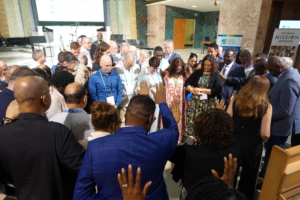
During the annual gathering, Brown announced two Texas ministry leaders newly added to leadership roles within the BWA.
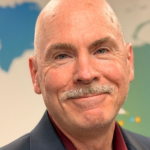
Stephen Stookey, director of theological education for Texas Baptists, has been appointed as first inaugural director of the Baptist World Alliance Program at Baylor University and its Truett Theological Seminary.
Sign up for our weekly edition and get all our headlines in your inbox on Thursdays
Todd Still, dean of Truett Seminary, addressed the partnership announcement between the two entities.
“Last year, an educational partnership between Baylor University, a BWA Member Partner, and the BWA was announced and celebrated. Since then, we have been planning, preparing, and praying for the launch of the BWA Program at Baylor’s Truett Seminary.
Chief among our priorities has been to identify an individual who can thoughtfully, skillfully, collaboratively, and faithfully lead this expansive educational enterprise,” Still said.
“We believe that the LORD led us to Stephen M. Stookey and are deeply grateful that Stephen has agreed to accept this mantle of leadership,” Still said.
Ralph West, pastor of The Church Without Walls in Houston, was named ambassador for preaching and multiplying congregations.
‘What we are not’
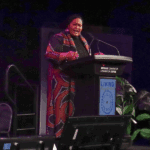
Leanne Friesen, executive minister for Canadian Baptists of Ontario and Quebec, and author of Grieving Room: Making Space for All the Hard Things After Death and Loss, preached on the contrast between defining ourselves by what we are not and living in who you are.
She used a culturally relevant example of Canadians defining themselves by describing who and what they are not.
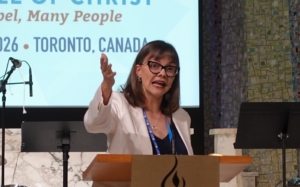
Friesen preached from Matthew 26, observing when Jesus says one of the disciples will betray him, each of them respond, “Surely not I, Lord.”
Rather than asking how to protect Jesus, they defend themselves, Friesen said.
Friesen then explains why this comparison is spiritually dangerous. Looking at Canada’s history of racism, residential schools, and injustice toward Indigenous peoples, she argues that comparing ourselves to others blinds us to our own sins.
“We will always hide our own sin when we focus on what we are not,” Friesen said.
“We need to come remembering and holding on not to what we’re not, but to who we are. I’m praying that all Canadians will come to a saving knowledge of who they most deeply are. Loved, creative, cherished people made in the image of God.
“And I’m praying that this week we will come to the table, not by stating the things that we aren’t, but with our shared common grain. We are children of God. We are ones who follow Jesus, sinners, all of us, all of us with hands dripping with the blood of Christ.”
Virtue in the labor of thought
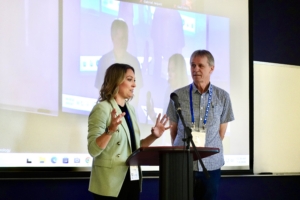
Katie Frugé, director of Texas Baptists’ Christian Life Commission, and Gary Heard, adjunct professor of pastoral theology at Trinity College Theological School in Melbourne, Australia, highlighted during a faith and technology breakout session ways to cultivate human interaction and responsible uses of artificial intelligence.
“How do we keep that human connection that the table invites us to? We don’t log in to the Communion table. We bring ourselves to it, and we bring each other to it. And that’s something we need to try and work out how to best keep alive as we wrestle with these questions,” Heard said.
“There is virtue in the labor of thought. Sometimes, struggling with a hard issue is valuable in and of itself. … There’s character formation that happens when we’re trying to struggle and do hard research, ” Frugé said.
“And so, AI, when I’m talking about it—especially with young adults and students—it can help you do research, but don’t let it do the research for you, because you need to wrestle and think hard about some things,” Frugé added.









We seek to connect God’s story and God’s people around the world. To learn more about God’s story, click here.
Send comments and feedback to Eric Black, our editor. For comments to be published, please specify “letter to the editor.” Maximum length for publication is 300 words.