

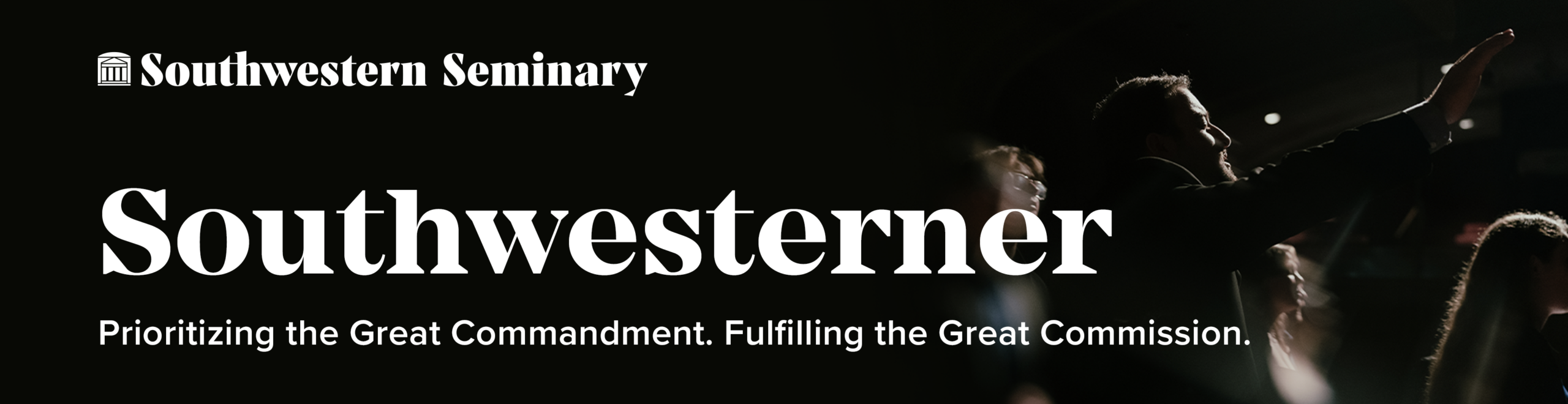



The Religious Liberty Commission, a federal advisory body established by President Donald Trump via executive order in May 2025 to safeguard and promote religious freedom, delivered the final draft report with recommendations to the president on June 26 during an Oval Office presentation.
The report is based on findings from seven hearings conducted by the Religious Liberty Commission over the past year. During these hearings, the commission received testimony from more than 100 witnesses representing diverse ages, faiths, areas of expertise, and backgrounds. Many of these individuals shared firsthand accounts of experiencing religious persecution in the United States.
The hearings highlight religion’s role as a vital support system and call for stronger protections of religious liberty, faith-based institutions, and parental rights. The report examines religious freedom in schools, healthcare, workplaces, places of worship, and the military, while outlining legal and policy reforms to prevent government coercion and protect Americans’ ability to practice their faith.
Religion as support system, religious liberty
The report describes religion as an “indispensable support,” arguing it is a fundamental aspect of human identity and a source of strength for society, “particularly in a self-governing democracy,” the report reads.
To illustrate religion’s impact, the commission cited testimony from a woman who said a faith-based women’s center provided her with critical support during a time of significant need. The report presents her experience as an example of religious liberty’s significance and the broader societal benefits of religion.
The commission also outlined several ways it says religion benefits society, arguing it provides moral standards by which governments can be held accountable, fosters civic virtue, inspires charitable and humanitarian work, and helps build stronger families and healthier communities.
The report further describes religious liberty as a bridge between God and government: “Because religion is so central to the human identity, and family and communal life, the church and state must have a rightly ordered relationship for individuals and societies to flourish.”
The commission argues religious liberty is woven into the American story and reflected in the nation’s founding documents, including the Declaration of Independence and the U.S. Constitution. It contends the concept of the separation of church and state is widely misunderstood today, particularly through the idea of a “wall of separation.”
“A ‘wall of separation’ can wrongfully imply that church and state are opposed to one another and that they are completely separate, but in reality, the church and state strengthen and support one another. Perhaps a better analogy is that religious liberty acts as a bridge between church and state,” the report says.
Sign up for our weekly edition and get all our headlines in your inbox on Thursdays
Among its recommendations, the report calls for the Department of Justice to issue guidance clarifying its interpretation of the Constitution’s Establishment Clause and the principle of separation of church and state.
Religious liberty in faith-based institutions
The report argues religious organizations should be protected not only in their ability to worship, but also in their ability to carry out their missions without being required to abandon or compromise their religious beliefs.
The report focuses on charities, social service organizations, and religious schools, contending these institutions are essential contributors to American society because of their religious identity. The report perceives the religious identity of these institutions as threatened, subject to lawsuits, investigations, and exclusion from public programs.
The commission heard testimonies from representatives of faith-based humanitarian organizations, educators, pastors, a rabbi, and more, all of whom testified to conflicts that arose due to remaining faithful to their beliefs.
In response to testimonies and public comments submitted to the committee, the report proposes issuing a new equal treatment rule ensuring faith-based institutions may compete for federal grants, funds, and contracts “on an equal playing field” with secular groups.
Additional recommendations include expanding partnerships with faith-based institutions, supporting litigation upholding church autonomy, issuing a rule protecting religious freedom in foster care and prisons, and more.
Faith, family, and education
The commission highlighted the constitutional right of the parent to direct the education and religious upbringing of their children, arguing teachers are entrusted with educating students but should not override or supplant parents’ moral and religious beliefs.
The commission called for the creation of a parental rights task force, hotline portal, and more. The report also argues students do not “check their faith at the schoolhouse gate,” calling for stronger protections for voluntary student prayer, religious clubs, and religious expression in K-12 schools.
At the college level, it asserts many universities have become hostile environments for religious students and organizations, recommending stronger enforcement of First Amendment protections and equal treatment for faith-based student groups.
Politics, military, healthcare
The commission also called for protections of religious liberty rights for religious leaders and warfighters, arguing service members experience heavy restraints on their personal freedoms.
The task force urged the federal government to improve and support legislation protecting chaplain’s rights to religious freedom, recommended stronger legal protections for religious speech, limiting IRS oversight, and better safeguarding the rights of churches and faith-based organizations.
The report recommends eliminating the Johnson Amendment, which bars tax-exempt religious organizations from engaging in political activity, and compensating military service members discharged for refusing COVID-19 vaccines, according to NBC News.
It argues many religious exemption requests during the COVID-19 pandemic were improperly denied and calls for stronger protections against future vaccine mandates that conflict with sincerely held religious beliefs.
The commission further advocates for expanding religious expression in the public square, increasing access to public funding for faith-based organizations, broadening conscientious objection exemptions for policies such as vaccine mandates, pronoun usage, and classroom lessons, and directing federal agencies to publish Know Your Rights posters and establish hotlines for reporting alleged religious liberty violations.
Other proposals include stronger conscience protections for healthcare workers and faith-based medical providers who object to participating in procedures that conflict with their religious beliefs, increased federal action to combat rising antisemitism, expanded security and law enforcement support for houses of worship facing growing threats, and stronger protections against religious discrimination in workplaces and other public and private institutions.
Critics say the commission has not done enough to address anti-Muslim discrimination and has devoted more attention to left-wing antisemitism than to similar issues on the political right.







We seek to connect God’s story and God’s people around the world. To learn more about God’s story, click here.
Send comments and feedback to Eric Black, our editor. For comments to be published, please specify “letter to the editor.” Maximum length for publication is 300 words.