





RE: Editorial: Ten Commandments bills’ unintended consequences
I am a retired public high school teacher in Fort Worth. When I first started teaching at a high school here, we had what was called the Announcers’ Club. As the speech teacher, I was the faculty sponsor.
It had been customary to follow the morning announcements on the public announcement system with a prayer. The students doing the announcements for the day composed the prayer or had someone do it for them.
As I watched the students in my classroom during the prayer time, I saw varied reactions. Many of them totally ignored the prayer. Others smirked or cracked jokes about it or rolled their eyes.
Finally, a student of the Bahá’í faith objected to the principal, and the prayers were stopped altogether.
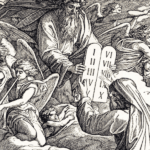
I’m a Baptist and a seminary graduate, but I never felt prayers were appropriate in the public schools. I’m sure many prayers are lifted up during exam time, but they don’t have to be public. I feel the same way about posting the Ten Commandments.
Edlyne Dickson
Burleson, Texas
I’m a Muslim who believes a revival of Christianity in America would be a good thing for minority religions, both in terms of religious freedom and because religion is a public good, but also because I believe Christianity is true to a large degree—obviously, the aspects in which I believe it is not true are profoundly consequential—and that truth should be prevalent.
For that reason, I strongly agree that the Ten Commandments bills tend to have a secularizing effect. They tend actually to diminish the public acceptance of the Ten Commandments as truth from God.
Sign up for our weekly edition and get all our headlines in your inbox on Thursdays
That’s not to say I don’t believe they should be taught. And most likely, the Establishment Clause prohibits public schools from teaching they are revelation from God, though I do believe they could teach the commandments relating to man’s relation to his fellow man are true in that it is true—regardless of whether one believes it is revelation from God or not—that one should not murder, steal, covet another’s wife, and the rest.
Ismail Royer, director, Islam and religious freedom
Religious Freedom Institute
Washington, D.C.







We seek to connect God’s story and God’s people around the world. To learn more about God’s story, click here.
Send comments and feedback to Eric Black, our editor. For comments to be published, please specify “letter to the editor.” Maximum length for publication is 300 words.