



A yearlong study of Waco’s Church Under the Bridge reveals lessons about how to create a welcoming community where people who never felt accepted in church can find a place where they belong.
When Melody Escobar arrived at Baylor University, she asked a colleague where individuals in Waco with mental, physical or developmental disabilities liked to worship.
Her co-worker pointed her to the congregation that has met regularly for three decades beneath the Interstate 35 overpass at South Fourth St.
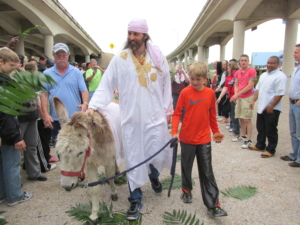
After she attended the 2024 Palm Sunday service at Church Under the Bridge and became acquainted with Pastor Jimmy Dorrell, she realized “something really special was going on at the Church Under the Bridge” that deserved serious examination.
Escobar, associate research scientist at the Baylor Collaborative on Faith and Disability, and research assistant Caroline Reed conducted the “Belonging Under the Bridge” study, funded by the Calvin Institute of Christian Worship.
Worshipping community ‘united in diversity’
“For me, the key dimension that emerged in the study was how they are so united in diversity,” Escobar said.

Of the 33 individuals interviewed by researchers, more than 20 percent are unhoused. More than half—55 percent—reported a disability, and more than one-fourth reported a history of substance abuse disorders.
Many members live in extreme poverty and some previously have been incarcerated. However, Church Under the Bridge also counts among its members Baylor students, teachers, medical professionals, ministers and nonprofit workers.
“People spoke of discovering a sanctuary under the bridge—this place where diversity isn’t an obstacle but a driving force of the community,” Escobar said. “And so, there’s this palpable and powerful sense of belonging.”
Sign up for our weekly edition and get all our headlines in your inbox on Thursdays
Worshippers reported an “immediate felt sense that each person is indispensable to their life together,” she said.
“They described a powerful sense of belonging fostered by the embodied presence and celebration of diverse backgrounds, identities and spiritual gifts,” a summary report of the study states.
“United in diversity reflects the church’s theological commitment to honor each person’s inherent dignity and to actualize the compassionate discipleship Jesus prescribes in Matthew 25—frequently referenced by the senior pastor and members alike as a guiding ethos for ministry—encountering Christ in all people.”
Church Under the Bridge’s open-air setting—“worshipping without walls”—contributes to fostering an environment where everyone is welcome, and worshippers encounter God outside conventional spaces, she noted.
Engaged in using spiritual gifts
Dorrell’s approachable “relationship-first style of leadership” creates an atmosphere of genuine acceptance and a sense everyone is “seen and valued,” she said.
“I witnessed him every Sunday welcome people warmly, ask them their name and stop to hear their story,” Escobar said.
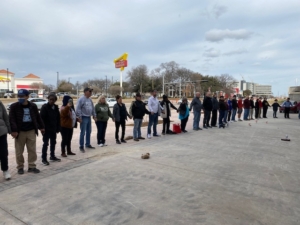
Individuals interviewed said they not only felt welcomed to worship, but also to serve and engage meaningfully in the life of the faith community, she reported.
“The spirit of welcome naturally flowed into the church’s commitment to the sense of ministry by all,” Escobar said.
“Everyone is seen as having a gift to contribute. They devote a lot of time to holding sessions on spiritual gifts, nurturing those gifts and getting people connected to meaningful roles.
“The conviction that every person is needed for this ministry is a conviction that shapes all aspects of their life together.”
The study revealed worshippers not only received acceptance and friendship at Church Under the Bridge, but found “family” there through small-group gatherings and shared meals, she said.
Found family, experienced transformation
Members told interviewers “they felt cared for,” were missed when they were absent, and discovered “a sense of stability that many had not experienced before,” Escobar said.
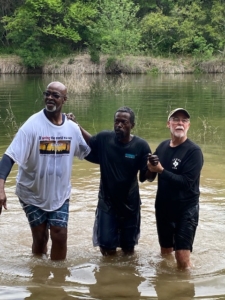
“Belonging reflects something biblical—an understanding of community and mutual care,” Escobar said. “Belonging is a desire placed in our heart by God. It’s a reflection of our need for relationship.
“When we turn away from that life together, we lose that sacred opportunity to be shaped by others, to know ourselves more fully, and to experience the transformation God intends for us in our communities.”
The yearlong study revealed participants not only reported spiritual transformation and holistic well-being, but also shifts in their worldview about people different from themselves.
The study concludes with recommendations for the wider church, based on suggestions by participants who were interviewed:
-
Remove physical and social barriers to worship.
“Listening is a real gift,” Escobar said, encouraging church leaders to pay attention to the “lived experience” of people who have felt excluded.
In addition to making practical accommodations for individuals with disabilities, church leaders can remove barriers by raising awareness, educating members and “sharing stories that open people to different ways of thinking about community,” Escobar said.
-
Embrace freedom and flexibility in worship.
Escobar emphasized the importance of “making room for every voice and people of all abilities to participate.”
-
Prioritize authenticity.
“Belonging grows when communities prioritize that genuine connection … putting community over image or presentation so that you have spaces for people to show up as they are,” Escobar said.
“It’s found in simple things—learning names, valuing each person’s story.”
-
Welcome and empower historically excluded people.
“Make every member feel invited and equipped to take part in the life of the church,” Escobar said.
“Church Under the Bridge does that really well—helping people to see that they are gifted and have something to contribute for the vitality of the congregation.
“When those who have been left out are invited into discipleship and given visible and meaningful roles, I think we truly see what it means to be the body of Christ where every person’s presence and contribution matters.”









We seek to connect God’s story and God’s people around the world. To learn more about God’s story, click here.
Send comments and feedback to Eric Black, our editor. For comments to be published, please specify “letter to the editor.” Maximum length for publication is 300 words.