40-year-old Arabic Church of Dallas reaches the world
A church started in 1982 as a home Bible study for Arabic-speaking immigrants celebrated its 40th anniversary Oct. 27.
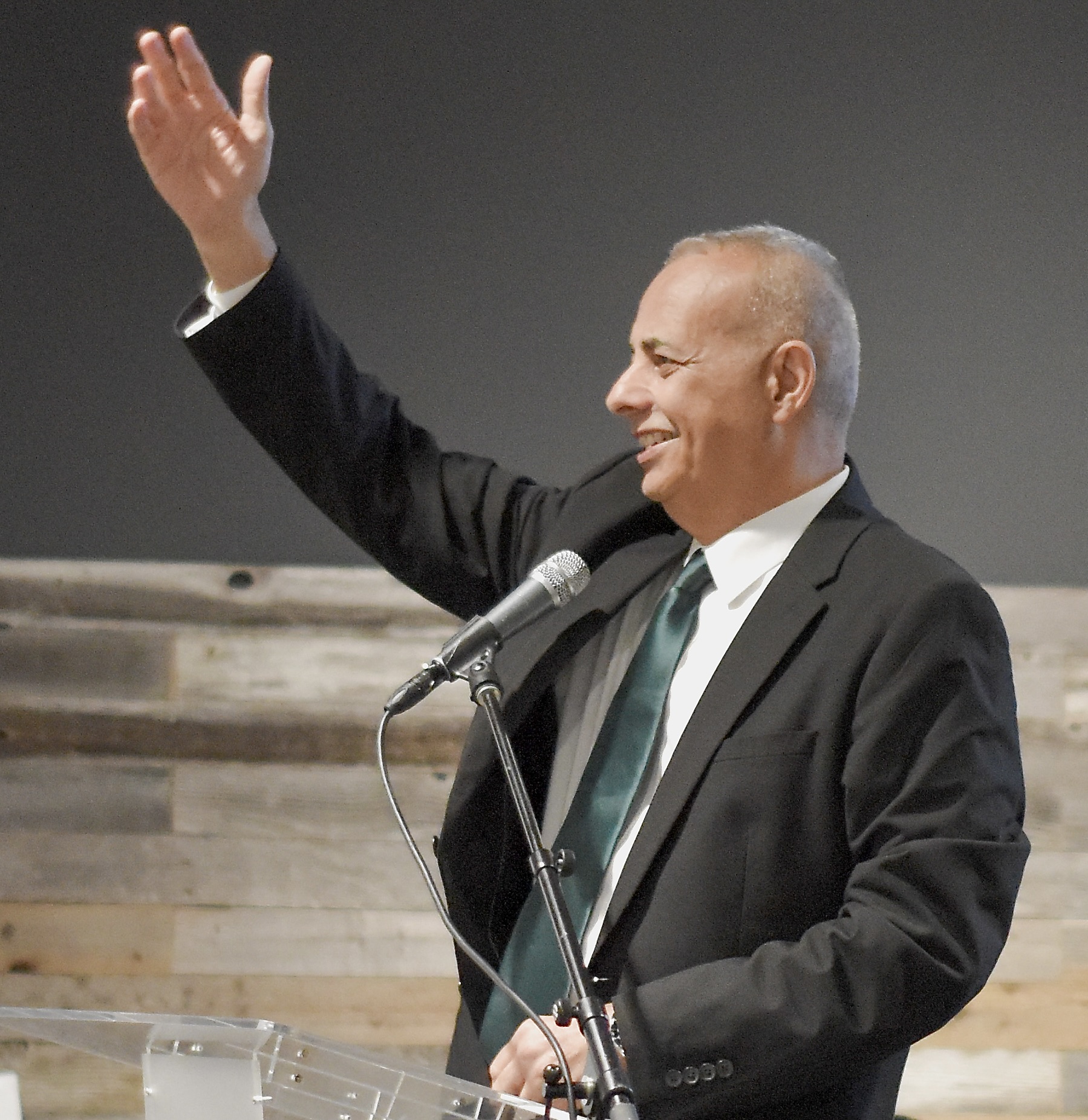
When the Arabic Church of Dallas started, “there was no Arabic-speaking church in all of North Texas,” current pastor Jalil Dawood said. “The next one is 300 miles away in Houston.
“Newcomers to the United States need to feel at home at the start of their lives until they adjust. Also, they need to hear the gospel and get saved, as this great nation provides freedom to come to Christ.”
Beginnings
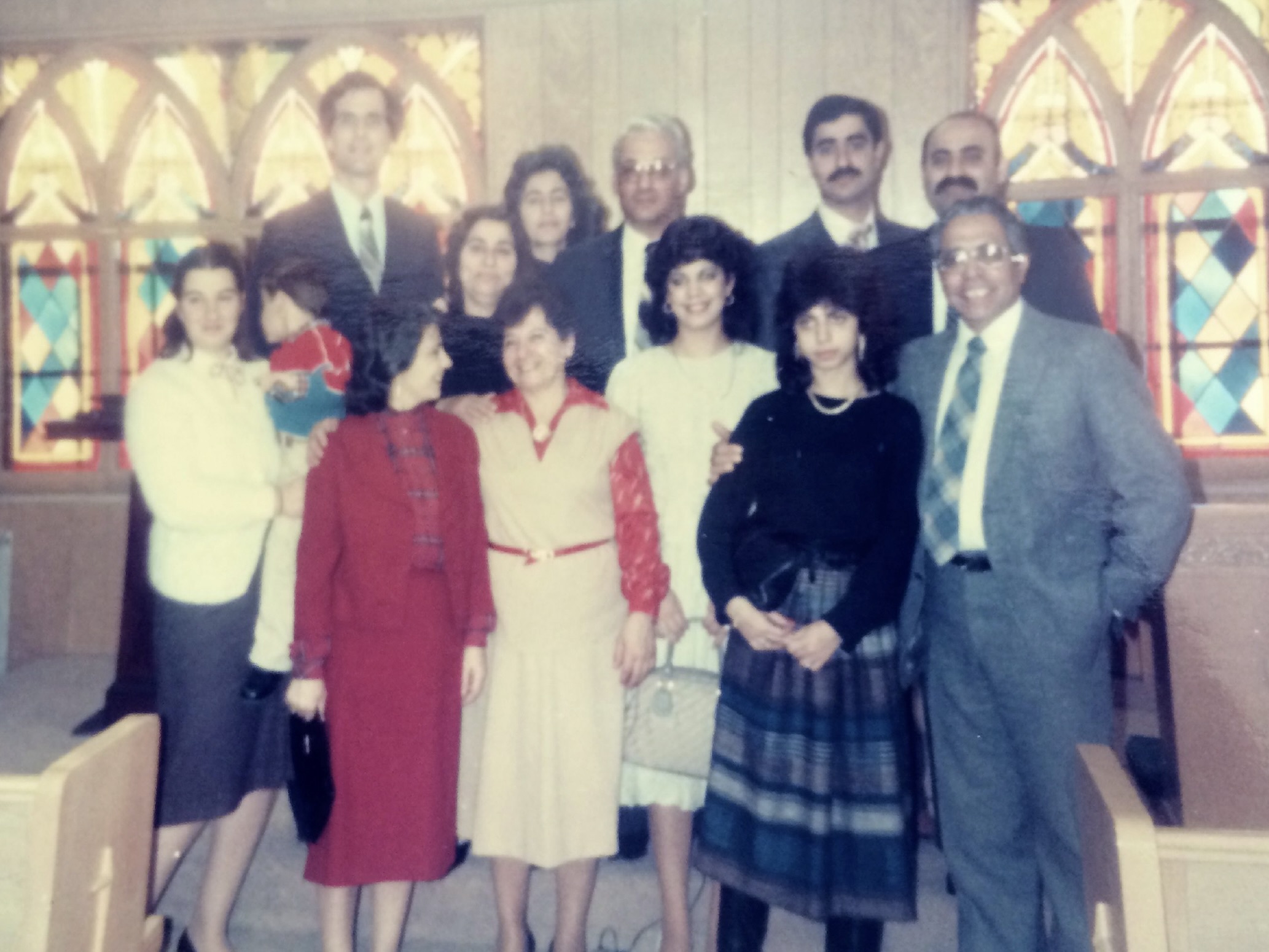
Imad Shehadeh came to Dallas from Jordan with his family in July 1982 to study at Dallas Theological Seminary. Four of the five pastors of Arabic Church of Dallas—Shehadeh and three others—“felt that receiving theological training at an interdenominational seminary was best to prepare us for a future ministry in the Middle East.”
The Shehadehs started the Arab Bible study soon after they arrived in Dallas. The Bible study grew and needed a larger space. First Baptist Church in Dallas, where the Shehadehs were members, gave the group a Sunday school room in its facilities.
The Arab Bible study continued to grow and became recognized by the leadership of First Baptist Church.
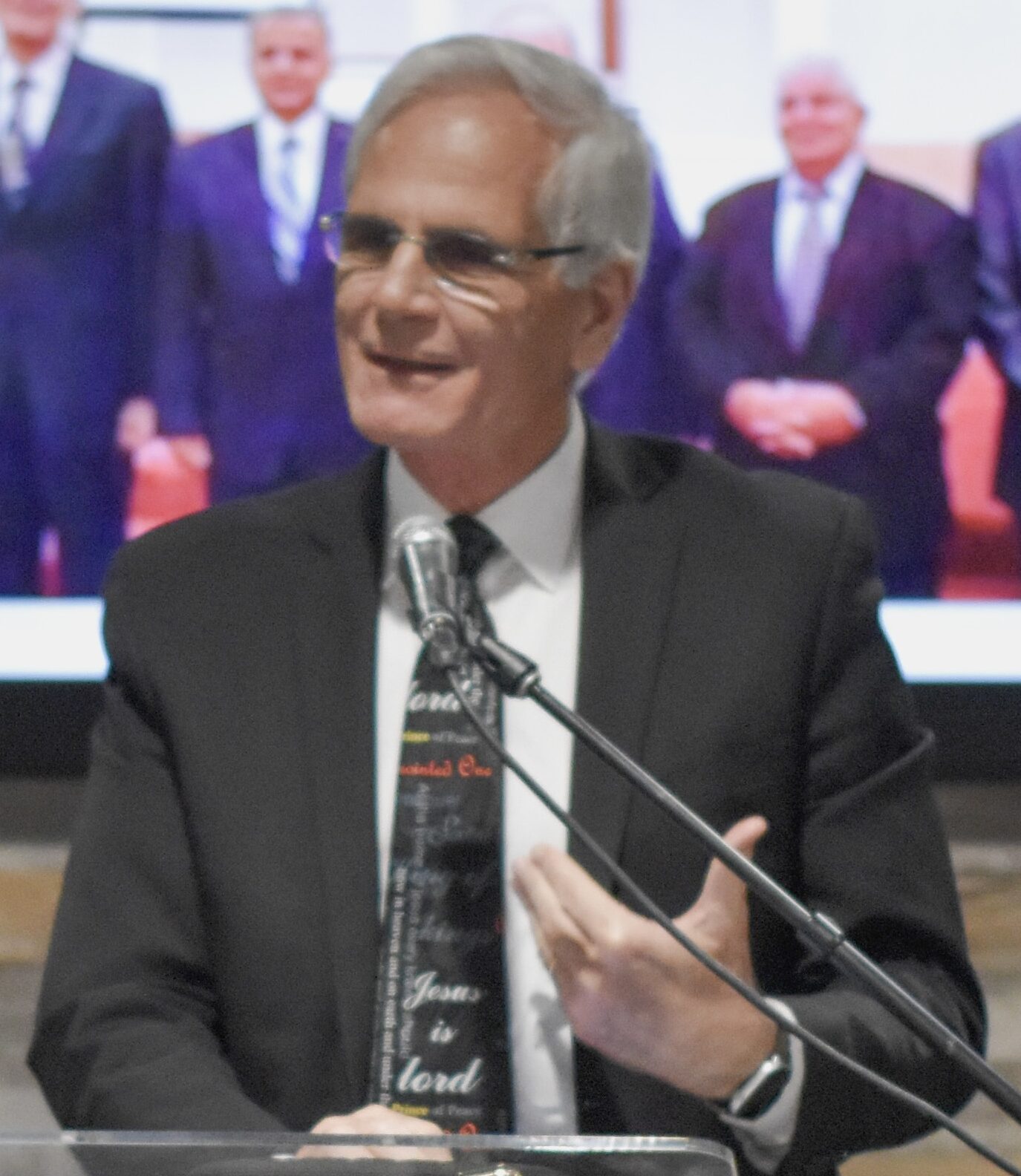
W.A. Criswell, pastor of First Baptist Dallas at the time, “felt that I should be ordained as pastor, to which the Arab believers of the Bible study agreed fully,” Shehadeh said.
After Shehadeh’s ordination in May 1984, the Arab church was “given a whole wing at First Baptist that became known as ‘The Arab Chapel.’ So, while the Arab Church started in 1982, it was made official in 1984,” Shehadeh explained. “It assumed the name ‘The Arab Church of Dallas’ when we relocated to Richardson” in 1988.
Transitions
More people of Arabic descent lived in North Dallas than near downtown Dallas. So, the church relocated north.
“We had a long dream to relocate to our own place,” Shehadeh said. “We leased a building in 1988 in Richardson, and we all contributed physically with the work of renovation, along with some professional builders supplied by First Baptist Dallas. It was a very nice facility with a worship hall, a fellowship hall and several classrooms.”

Shehadeh completed his degree at Dallas Theological Seminary in the summer of 1990 and returned to Jordan.
“It was so extremely painful to leave the Arab Church of Dallas that we planted and served for eight years. But we were fulfilling a calling from the Lord that we had to obey,” Shehadeh said.
Samir Kawar became the church’s second pastor. Two years later, the church needed to relocate again when rent was raised beyond what the church could afford.
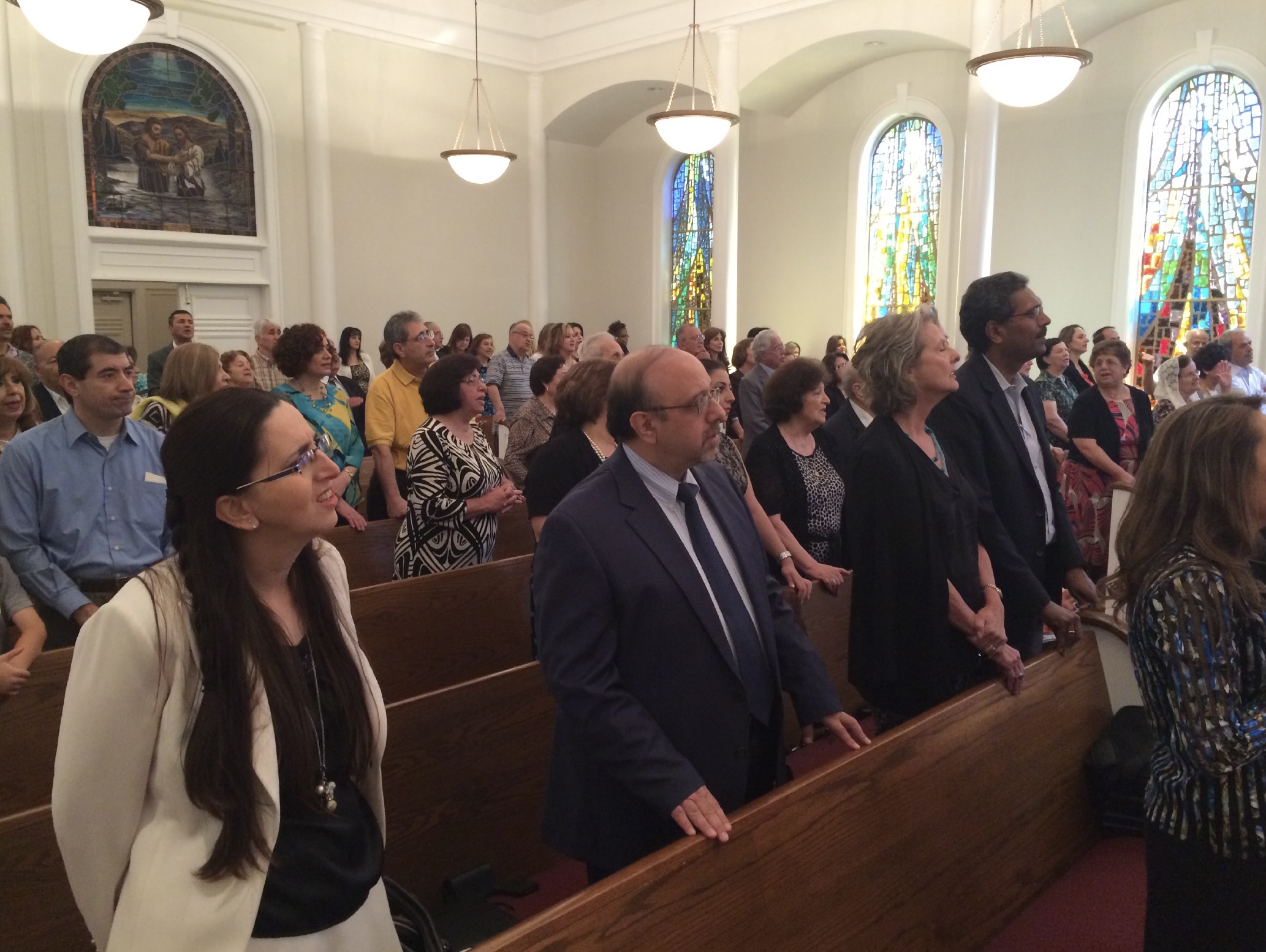
The Arab Church of Dallas eventually found a host and partner in First Baptist Church of Plano. When First Baptist Plano relocated in 2021 from its historic downtown Plano location to its new facility near Coit Road and the President George Bush Turnpike, Arabic Church of Dallas made the move with them.
“Muslims have built 100 mosques in the Dallas-Fort Worth area and 200 in the Houston area,” Dawood noted. “If the Lord provides, we would love to have our own building, but not for the sake of a building, but for the glory of the Lord, as a city on a hill shines for the glory of God and to those who speak Arabic.”
While Arabic Church of Dallas is similar in many ways to what Dawood called “American churches” with respect to doctrine and style of worship, they experience challenges particular to churches composed predominantly of immigrants.
“Christians from the Middle East merge with the English-speaking American churches. So, people move to churches based on their needs, especially with the second generation [of immigrants],” he said. So, attendance and membership numbers fluctuate, especially when “there are waves of refugees and immigrants from the Middle East.”
Reaching the world

Ministry to Middle Eastern refugees and immigrants stretches beyond Arabic Church of Dallas. In 2014, Dawood—a refugee from Iraq—founded World Refugee Care to feed refugees around the world and to plant churches. The nonprofit also has “trained pastors and leaders among refugees in Australia, Germany, Turkey, Iraq, Greece [and] Holland.”
“We are working to start new works in many other different nations,” Dawood continued. “And we have training material for leadership and discipleship that can be used with any church or backgrounds.”
Churches wishing to inform, educate and train their members to reach immigrants and refugees from the Middle East or who are looking for a partner in planting churches there can learn more at World Refugee Care.

Shehadeh “returned to Jordan in 1990 to start a training ministry at the request of Middle East leadership. The fruit was the founding of the Jordan Evangelical Theological Seminary [in 1991], now in its 33rd year. The seminary seeks to train men and women from the 22 Arabic speaking countries of the Middle East, North Africa and Arab Peninsula.”
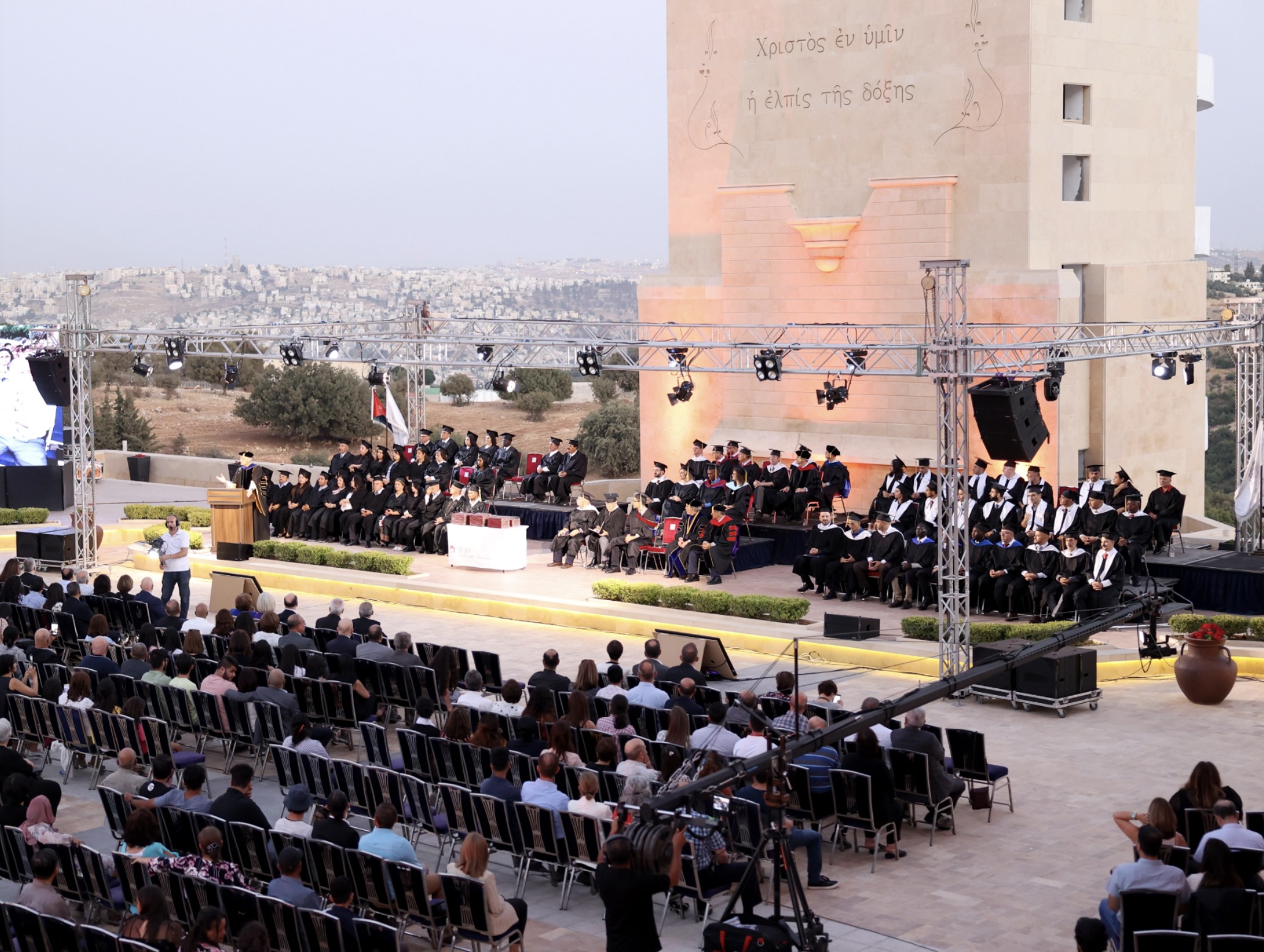
“While it is a missions-focused school, it is also a degree-granting institution at the bachelor, master and doctoral levels, with graduates now serving in 26 countries,” Shehadeh said. “As Dr. Criswell would say, ‘This is God!’”
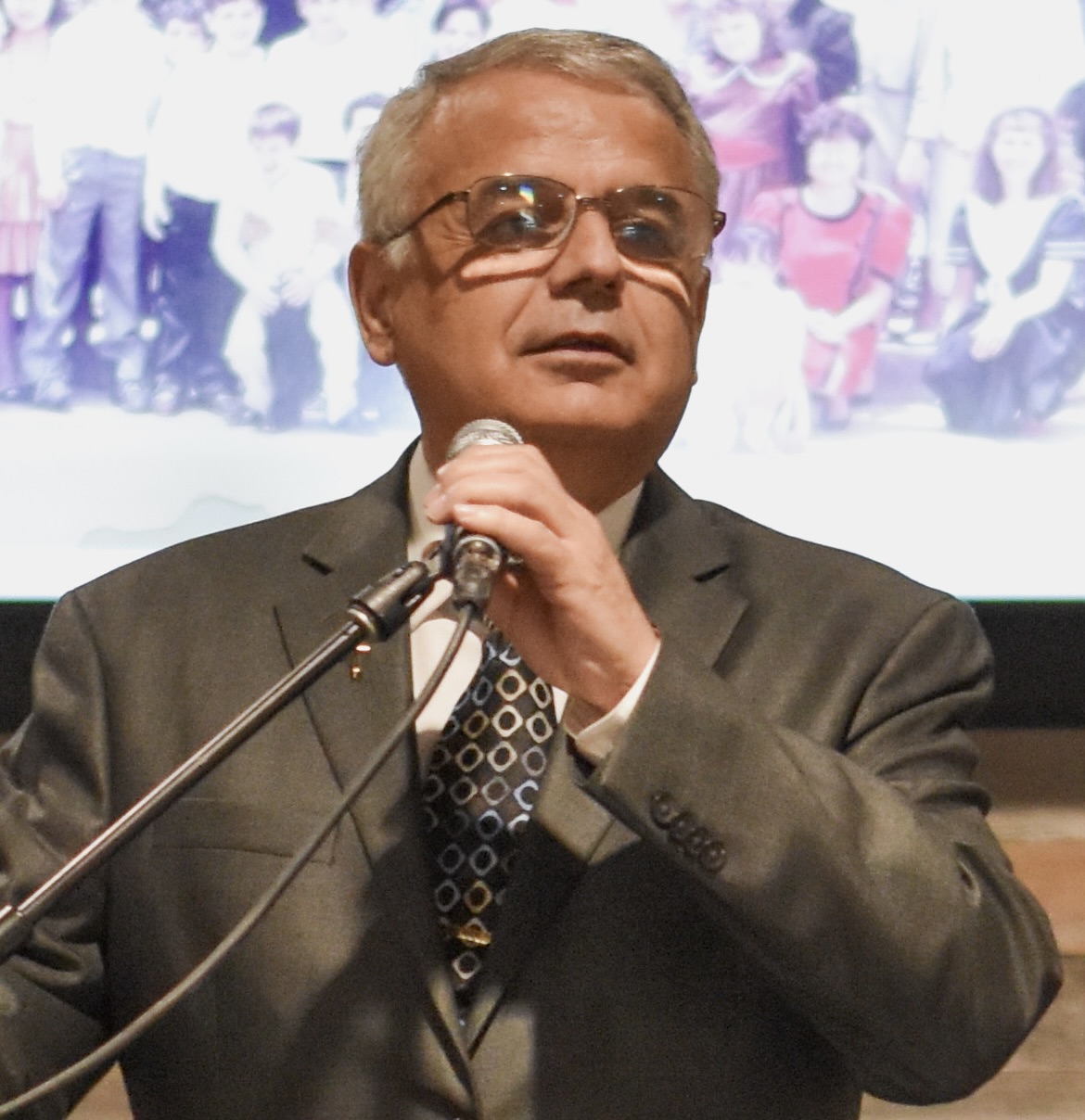
Another former pastor, Nabeeh Abbassi, also became a pastor of a Baptist church in Jordan and is the head of the Jordanian Baptist Convention.
“I am very proud and do rejoice in my heart for what the Lord has done. Being at the 40th celebration, it was a joy to see many familiar faces, many new faces, but also to recognize that at least 16 people who were part of this church have gone to glory,” Shehadeh said.
“The Arab Church of Dallas is a living testimony of God’s faithfulness and the faithfulness of the leadership that served in it.”