SBC committee waives privilege, moves investigation forward

NASHVILLE (RNS)—Ending weeks of debate, the Southern Baptist Convention’s Executive Committee voted Oct. 5 to waive attorney-client privilege as part of an investigation of how Southern Baptist leaders have handled issues of sexual abuse in recent decades.

The motion, put forward by Jared Wellman, pastor of Tate Springs Baptist Church in Arlington, and passed by a 44-31 margin, was a referendum on how to deal with sexual abuse, but also on whether national Southern Baptist leaders have to follow the will of local churches in the nation’s largest Protestant denomination.

Six committee members resigned before Tuesday’s meeting, and at least one member threatened during the day’s passionate debate to quit if the motion passed. Other opponents pleaded for more delays.

Several who opposed waiving privilege in the past flipped their votes to pass the motion.

“This was not easy,” said Executive Committee Chairman Rolland Slade, a California pastor, who had advocated for waiving privilege. “Frankly, it should not be easy,” he added.

Mandated by messengers

Pastor Grant Gaines presented a motion calling for a task force to oversee a third-party investigation into allegations of mishandled abuse claims at the SBC Executive Committee. (RNS Photo / Kit Doyle)

The SBC’s long-simmering dispute over sexual abuse came to a head at June’s national gathering in Nashville, Tenn., when messengers empowered a special task force to hire a third-party firm to study how staff and members of the Executive Committee responded to allegations of abuse over the past two decades.

Executive Committee members had already proposed hiring the third-party firm Guidepost Solutions to run an investigation under its own supervision. But the messengers rejected that idea and took control out of the committee’s hands.

The messengers, as the delegates are known, also instructed the Executive Committee to follow best practices recommended by the third-party investigator, including waiving attorney-client privilege so investigators could have access to records of confidential conversations that staff and committee members had with their lawyers.

But the messengers’ instructions gave rise to weeks of fierce debate among committee members. Some claimed giving investigators access to their legal conversations was necessary to ensure a thorough review, while others argued doing so would bankrupt the nation’s largest Protestant denomination. Other opponents of the waiver maintained there was no wrongdoing on the part of committee members.

Standoffs, negotiations and closed-door sessions

Ronnie Floyd, the president of the Executive Committee, warned waiving privilege could conflict with the committee’s fiduciary duty to protect the assets of the denomination, allegedly because the move would open the organization to costly lawsuits.

Ronnie Floyd, president of the SBC Executive Committee, addresses the SBC annual meeting on June 15 in Nashville. (RNS photo by Kit Doyle)

Floyd and others insisted on setting limits on how much information Guidepost Solutions, the third-party firm designated by the task force, would have access to.

The standoff continued over three marathon meetings, one during a scheduled meeting of the Executive Committee in Nashville, the other two over Zoom. Those meetings, usually open to the public, were interrupted repeatedly by closed-door executive sessions to hear from the committee’s attorneys. There were also a series of negotiations between committee officers and the task force to come to an agreement.

But those negotiations failed, leaving the committee to debate a fourth time on Tuesday.

“We cannot out of fatigue do the wrong thing,” committee member Joe Knott, a North Carolina lawyer, argued before the vote. Knott urged the committee members to put off a vote until they got it right, even if that meant delaying things till the next SBC annual meeting.

When the committee went into executive session again so committee members could hear from their attorneys, Georgia pastor Griffin Gulledge denounced what he called dirty politics and delay tactics.

“I will give you my car if the lawyers of the SBC just got new information,” he said during an audio chat on Twitter that drew hundreds of listeners. “We are not a convention of nitwits who are beholden to the legal opinions of a certain law firm,” he said.

Tiffany Thigpen, abuse survivor, also spoke on Twitter Spaces about how convention leaders have handled the question of abuse in the past.

“We deserve what is coming for us as a people,” she said.

After the vote, before the committee was able to adjourn, opponents of waiving privilege made a last-ditch effort to derail that decision. Idaho pastor Jim Gregory appealed to the chair of the meeting, saying that the committee’s decision was out of order. His appeal was denied by the committee’s parliamentarian.

‘The messengers spoke very loudly’

Baptist pastors and other leaders have warned that refusing to follow the messengers’ will expressed at the annual meeting risked upending the trust that keeps the nation’s largest denomination together. For many, Tuesday’s decision restored that trust.

“The messengers spoke very clearly,” Wellman said on Tuesday in urging his fellow committee members to approve the waiver. “This is what they want.”

Tuesday’s vote earned praise from abuse survivors and the task force.

“We are very pleased that the vote was so strong in favor of the messengers’ plan,” said R. Marshall Blalock, pastor of First Baptist Church in Charleston, S.C., and vice chair of the task force that will oversee the investigation.

The six who resigned before Tuesday’s meeting began were L. Melissa Carlisle Golden, a counselor from Alabama; Tennessee pastor Ron Hale; Robyn Hari, a financial adviser from Tennessee and chair of the Executive Committee’s finance committee; Alabama pastor Paul Hicks; Gene McPherson, a retired CPA from Arkansas; and Chuck Williams, a Tennessee pastor.

Hari, Hale, McPherson and Williams had previously voted against the waiver. Golden voted for it at the last meeting, which Hicks did not attend.

Blalock said he and task force members expect the Executive Committee will fully cooperate with the investigation. He said there’s a lot of work to be done.

“We are just at the starting line,” he said.

For his part, Floyd promised to work with Guidepost. “Now that the Executive Committee’s Board of Trustees have made their decision, the leadership and staff of the Executive Committee will provide support to Guidepost on implementing next steps to facilitate their investigation,” he said, but he declined to answer whether he would remain at the Executive Committee.

Slade told committee members he was concerned by how the debate had been conducted and told committee members apologies might be in order. Still, he said, the committee had done the right thing.

“Most importantly, it’s time to know for sure, where we have fallen short on the question of sexual abuse within the Southern Baptist Convention so that we can correct any errors, and move into the future as a convention that is safe for our most vulnerable members.”


StartCHURCH y Convención colaboran para proporcionar recursos legales y administrativos en español

StartCHURCH se ha asociado con la Convención Bautista Hispana de Texas para apoyar y proporcionar recursos y herramientas para los pastores y plantadores de iglesias de la Convención.

StartCHURCH ayudará a las casi 1,100 iglesias bautistas hispanas en Texas con experiencia en las áreas de: incorporación de iglesias, estatutos, políticas, exención de impuestos, administración financiera, ordenación y otros asuntos de cumplimiento de normas.

StartCHURCH proporcionará recursos gratuitos a las iglesias de la Convención, que incluyen:

  • Paquetes de recursos con políticas y documentos esenciales para cada congregación
  • Recursos para fortalecer las finanzas de la iglesia
  • Recursos de recaudación de fondos
  • Un blog y un podcast en español
  • Una consulta gratuita para cada iglesia

Los recursos gratuitos en español están disponibles en: http://espanol.startchurch.com/convencion

Las iglesias y los líderes también recibirán seminarios gratuitos en línea y talleres presenciales en los próximos eventos de la Convención y la reunión anual en junio de 2022.

Las iglesias de la Convención también recibirán descuentos especiales por cualquier servicio adicional pagado que les gustaría recibir de StartCHURCH.

Lester Ruiz, el Director de Negocios de StartCHURCH, dice: “Hemos tenido el privilegio de ayudar a miles de pastores y plantadores de iglesias a establecer una base legal sólida para su iglesia cada año y nos sentimos honrados de asociarnos con la Convención Bautista Hispana de Texas para ofrecer las herramientas, consejos, capacitación y servicios que necesitan para proteger sus iglesias y prevalecer en su misión”.

“Personalmente he visto los desafíos que enfrentan las congregaciones hispanas con los problemas para cumplir con las normas”, dijo Jesse Rincones, Director Ejecutivo de Convención. “Los desafíos que enfrentan las iglesias son cada vez más complejos y ya no es suficiente tener una visión. Más que nunca, es necesario contar con un socio durante todo el proceso. Estamos contentos de que StartCHURCH sea nuestro socio”.

“El corazón de esta colaboración es ayudar a todas las iglesias de la Convención con un socio de confianza que las acompañe en su llamado a llevar la esperanza del evangelio a todas las naciones”, dice Ruiz.

StartCHURCH ha servido a más de 19,000 iglesias y ministerios durante sus 21 años de servicio. Brinda servicios en los 50 estados y Puerto Rico.


Brother of slain Myanmar pastor reflects on loss

Stanley Cung finds it hard to believe his brother was shot to death. But Cung finds some comfort knowing he died doing what he loved to do—assisting a neighbor.

“He was happiest when he was helping other people,” Cung said of his brother, a Baptist pastor who was killed Sept. 18 in the Chin state of Myanmar. “He was a helping person.”

Burmese soldiers gunned down Pastor Cung Biak Hum while he was trying to help a member of his church extinguish his home, set ablaze during an attack by the military. It was one of 19 destroyed in Thantlang township.

Burmese military shelled Thantland township in Myanmar’s Chin State. (Facebook Photo / Asia Pacific Baptists)

Cung Biak Hum is survived by four older siblings, who all live in the United States; their mother; his pregnant wife Suittha Par; and their sons, ages 7 and 11. Cung’s mother, wife and children all are in India now, where Suittha Par is due to deliver their baby by C-section next month.

“They had to flee as soon as my brother was buried,” Stanley Cung said.

He learned of the tragedy in Thantlang when his phone rang at 6 a.m. on a Saturday. He recalled his cousin saying: “Someone named Cung Biak Hum has been shot dead. We don’t know yet if it was your brother.”

Once his death was confirmed, details surrounding the military attack made it even more disturbing. Soldiers cut off Cung Biak Hum’s finger to steal his wedding ring, in addition to taking his watch and cell phone.

‘It’s hard for me to accept’

“It’s still very difficult for me. Some days, I just don’t want to think about him—the fact that he is dead and how he died,” said Stanley Cung, a doctoral student at Asbury Theological Seminary and pastor of Emmanuel Chin Baptist Church in Milwaukee, Wisc.

“It’s hard for me to accept. Sometimes, it seems like a dream—like he’s not really dead.”

As a Christian, Cung finds solace and strength in prayer.

“I don’t want to question God,” he said, suggesting the difficulty in not doing so. “I’m trying to accept it. … I want to believe his death will not be in vain. God must have a plan we don’t know about.”

In part, he believes that plan may be seen in the way his brother’s brutal murder captured international attention.

Tom Andrews, United Nations special rapporteur, tweeted: “The murder of a Baptist minister and bombing of homes in Thantlang, Chin State, are the latest examples of the living hell being delivered by junta forces against the people of Myanmar. The world needs to pay closer attention. More importantly, the world needs to act.”

‘My people have been facing many difficulties’

Buan Thawng Lian, pastor of San Antonio Chin Baptist Church, agrees. He counted Cung Biak Hum as “a friend,” as well as a relative by marriage. The terror inflicted on his extended family is shared by many in his homeland, he noted.

“My people have been facing many difficulties these days,” he wrote in an email. He described the killing of innocent people and the destruction of homes and three church buildings in his hometown—once home to more than 10,000 people but now completely abandoned.

Stanley Cung expressed appreciation to the Baptist World Alliance and other Christian organizations that have called for prayer and advocacy for Myanmar.

“Pray that the people of Myanmar will get the real democracy we have been longing for. Pray for those who are fighting against injustice,” Cung said. “We are grateful for all who have been praying for us.”

Still, he finds it hard to accept. The nature of Cung Biak Hum’s bullet wounds and the mutilation of his body after he was shot made it clear his killing was “an intentional act,” not simply random gunfire, his brother said.

When asked if his brother could be considered a Christian martyr, Stanley Cung honestly replied: “I don’t know. I just know I’m proud of him.”


Obituary: Jimmie D. Burton

Jimmie D. Burton, longtime pastor in Texas and Colorado, died Sept. 21. He was 98. Burton was born March 23, 1923, in Streetman to John W. and Nancy E. Henson Burton and spent his childhood in Navarro County. He enlisted in the U.S. Army during World War Il and much later served as a chaplain with the Colorado Civil Air Patrol. Burton earned degrees from East Texas Baptist College and Southwestern Baptist Theological Seminaries. He devoted 79 years to service as pastor of Baptist churches, including two churches in Dallas from 1955 to 1969. With his wife Mary by his side until her death in 2002, he served several Southern Baptist associations of churches as associational missionary under the Colorado Baptist General Convention and the North American Mission Board until retirement in 1989. He continued preaching the gospel at every opportunity until his last sermon in February 2021 at age 97 years and 11 months. He was preceded in death by his wife, Mary Elizabeth Allen Burton; daughter Nancy Burton Biles; and brother Billy Gene Burton. He is survived by his children James Burton and wife Jan of Grand Junction, Colo., and Mary Ann Sanders of Cortez, Colo.; five grandchildren; and seven great-grandchildren.



Apoyando a los inmigrantes haitianos.  

El pastor Israel Rodríguez-Segura recibió sorpresa tras sorpresa cuando escuchó la noticia de que 15.000 migrantes, en su mayoría haitianos, acampaban bajo el puente internacional entre Ciudad Acuña, México, y Del Río, Texas. La cantidad de migrantes lo sorprendió, al igual que los informes sobre sus miserables condiciones, y el hecho de que funcionarios del gobierno habían cerrado el puente.

Rodríguez, pastor de la Primera Iglesia Bautista en Piedras Negras, México, a sesenta millas río abajo de Acuña/Del Río, opera el único refugio para migrantes permitido por las autoridades en su ciudad. Se preguntó cómo podría ayudar a los migrantes cuyas dificultades aparecían en las pantallas de televisión de todo el mundo y a las congregaciones de Acuña a ministrarles.

Se puso, pues, en contacto con dos pastores en Acuña, reunió a un grupo de voluntarios y lanzó una iniciativa para alimentar a los migrantes.

“Viajamos con seis voluntarios de nuestra iglesia a Ciudad Acuña para alimentar a los haitianos”, informó Rodríguez. “Llevábamos 2000 platos de comida con nosotros. Los repartimos todos”.

Pr Rodríguez con sus voluntarios

Los voluntarios de la Iglesia Bautista Betel y la Primera Iglesia Bautista de Acuña ayudaron a Rodríguez y a los miembros de su iglesia. “Disfruto cuando nuevas personas se involucran en el ministerio a los migrantes”, dijo. “Había mucha gente que sufría por falta de comida”.

La semana pasada, el Department of Homeland Security (Departamento de Seguridad Nacional) de EE. UU. cerró el puente internacional y redirigió todo el tráfico a los puertos de entrada cercanos para disuadir a los migrantes de cruzar a Del Río. Las estrategias del DHS para lidiar con el aumento de migrantes en Del Río también han afectado al ministerio de Rodríguez en Piedras Negras.

“Estamos albergando a 37 migrantes, y la mitad de ellos son haitianos recién llegados”, señaló. “No sé qué pasará después, porque [los inmigrantes haitianos] están comenzando a llegar a Piedras Negras”.

El pastor Israel Rodríguez-Segura y los voluntarios de su iglesia ministraron a los refugiados haitianos.

Las autoridades de Piedras Negras están impidiendo que los autobuses que transportan migrantes desde la frontera sur de México ingresen a Piedras Negras, agregó. “Fuera de la ciudad las autoridades locales están deteniendo los autobuses que transportan a los migrantes hacia adentro de la ciudad”, dijo. “La semana pasada, 10 autobuses llenos de migrantes buscaban ingresar desde Tapachula, Chiapas (la ciudad más al sur de México), y las autoridades les dijeron que no podían ingresar a Piedras Negras”.

Las autoridades de Piedras Negras escoltaron los autobuses de regreso a Acuña, dijo. “Por eso tenemos algunos [haitianos] alojados en Piedras Negras, porque las autoridades no nos permitirán recibir más migrantes”.

Al otro lado de Acuña, en Del Río, la Val Verde Border Humanitarian Coalition (Coalición Humanitaria Fronteriza de Val Verde), una organización religiosa que ayuda a los que solicitan asilo a viajar a sus patrocinadores estadounidenses, se ha visto abrumada por cientos de familias necesitadas. El presidente de la coalición, Shon Young, describe la situación bajo el puente internacional como un “país del Tercer Mundo”.

“Estamos comenzando a ver que están mandando gente a nuestro centro en el lado estadounidense a un ritmo récord”, agregó Young, pastor de misiones en City Church (Iglesia de la Ciudad) en Del Río. “Por favor, manténgannos en oración”.

Hasta el lunes 20 de septiembre, más de 6.000 migrantes habían sido sacados del campamento de Acuña. Mientras tanto, circularon ampliamente los informes de abuso de migrantes por parte de la patrulla fronteriza montada a caballo.

Continúe orando por la seguridad de estos migrantes y por sabiduría para los funcionarios de inmigración de Estados Unidos y México.

Fellowship Southwest apoya a la Primera Iglesia Bautista en Piedras Negras como parte de su ministerio de ayuda a inmigrantes a lo largo de la frontera entre Estados Unidos y México. Si desea contribuir a nuestra red de pastores que sirven a los migrantes en la frontera, haga clic aquí.

Elket Rodríguez es el especialista en misiones y defensa de inmigrantes y refugiados de Cooperative Baptist Fellowship (Cooperativa Compañerismo Bautista) y de Fellowship Southwest.

Primeramente publicado por Fellowship Southweast en https://fellowshipsouthwest.org/blog/2021/9/22/fsw-partner-primera-iglesia-bautista-in-piedras-negras-mobilizes-to-aid-haitian-migrants?rq=piedras%20negra.  


In Nigeria, 49 Christians killed, 27 kidnapped

KADUNA, Nigeria (BP)—At least 49 people were killed and 27 others kidnapped in attacks on Christian communities in southern Kaduna, Nigeria, early this week, Christian Solidarity Worldwide reported.

While Fulani militia are blamed for the Sept. 26-27 attacks, many Fulani herdsmen live peaceably alongside Christians and other Muslims and are not involved in the ongoing violence, said Khataza Gondwe, CSW advocacy director and team leader for Africa and the Middle East.

“It’s Fulani militia because they are an irregular, armed faction, trained, that are attacking in a very organized and orchestrated manner,” she said. “There’s a distinction between the Fulani settlers that the people have known for many years, and these people who are coming in to attack.

“That’s why we use that distinction, Fulani militia, so we identify them as the armed faction, as opposed to the rest of the Fulani people who are peaceably living side by side with them, in many instances, or just going about their ordinary business.”

In the deadliest among the latest attacks, militia killed 40 people and injured eight others in a “well-coordinated attack” on the Madamai and Abun communities Sept. 26 around 6 p.m. local time, a Catholic priest who witnessed the attack told authorities.

A “significant number” of attackers first killed people known to coordinate security for the community and their families before murdering other victims and burning down 20 homes, CSW reported. Another Catholic priest, Cosmos Michael Magaji of St. Thomas Quasi Parish in Mallagum, listed the names of 33 Catholic victims murdered.

Most of people kidnapped were from evangelical church

The next day, Sept. 27, militia killed at least one person, injured an untold number of people and kidnapped 27 others in the Gabachuwa community of the Kachia local government area. The murder victim and most of those abducted were members of the Evangelical Church Winning All, sources told CSW.

In a second Sept. 27 attack, militia killed eight people, injured six and burned several homes in an attack on Kacecere village in the Zangon Kataf local government area of southern Kaduna.

CSW founder and president Mervyn Thomas expressed heartbreak for residents of southern Kaduna who face “relentless violence on a near daily basis,” and joined community leaders in calling for increased security.

“The state and federal governments must do far more to protect all vulnerable communities in an unbiased manner and to combat the threats posed by Fulani militia and other armed non-state actors” Thomas said.

“This is also not the first time allegations have been made of inadequate protection despite warnings of an impending attack. This is concerning, and must be investigated by the Nigerian government, and failing that, by the wider international community.”

Christians not only targets of Fulani militia

Religion is not always the main driver of the attacks. Christians are targeted in Nigeria’s Middle Belt, including southern Kaduna, but Fulani militia attacks in northwest Nigeria, including northern Kaduna, also target Muslims, Gondwe said. Marauders in northern Kaduna are often referred to as bandits or violent gangs.

“The Fulani bandits, the ones who are attacking communities in the northwest … these bandits are attacking even Muslim communities,” she said. “The people they’re targeting primarily in the northwest are Hausa Muslims—now we’re talking about a different tribal group—who are indigenous to the area of Nigeria.” Hausa farming communities are primarily impacted in the northwest, while Christian family communities are targeted in the Middle Belt.

Fulani militia are driven by various motivations including a desire to gain control of the land for capital gain, but “religion is increasingly used as something that draws people to the group, whether people are manipulated through it or they feel it’s a religious duty, and then you have the ethnic part as well, the shared ethnicity with the attackers,” Gondwe said.

The predominantly Christian ethnic minority tribes in southern Kaduna have experienced “relentless attacks since 2011,” CSW said. The violence occurs despite the fact that 11 military installations are headquartered in southern Kaduna.

On Sept. 12, a pastor and at least 13 others were killed by Fulani militia in the Zangon Kataf local government area, the site of one of the Sept. 27 attacks.

As a people group, Fulani are the world’s largest nomadic group, numbering 20 million or more and mainly dispersed across western Africa. In addition to Nigeria, the largest Fulani populations are in Mali, Guinea, Cameroon, Senegal and Niger, with others living in the Central African Republic and Egypt, among other areas.


Cross-cultural pastor nominee for BGCT second vice president

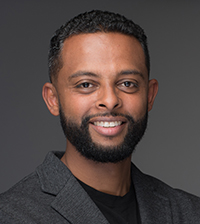
Nebiye Kelile, pastor of both Pathway Church and Orchard Hills Baptist Church in Garland, will be nominated for second vice president of the Baptist General Convention of Texas.

Ethiopian Evangelical Baptist Church is the sponsor of Pathway—a BGCT-supported start-up church geared toward reaching Millennials and Generation Z—and also is the host site for Orchard Hills.

Ryan Jespersen, executive director of Dallas Baptist Association, announced his intention to nominate Kelile.

“We have said so very often that we need men who will step up and pastor traditional churches as well as start new works. Pastor Neb is doing both at the same time by being the pastor of Pathway Church and Orchard Hills Baptist Church. I believe this unique role gives Neb the ability to lead well in Baptist life,” Jespersen said.

“I am grateful for his ability as a speaker, as a leader, and as a person who is working hard to bring people together. He is working to both give an existing church the ability to leave a great legacy, and to start a new work, which is so needed in Baptist life.”

Nebiye Kelile

Kelile, who was born in Ethiopia, grew up in California after his family moved there when he was 2 years old. He has served 16 years as a preacher and pastor. He helped an immigrant church in Sacramento, Calif., develop an English-language ministry to reach and disciple the rising generation.

When leaders of Ethiopian Evangelical Baptist Church learned about Kelile and his work through a network of churches devoted to reaching Ethiopian immigrants in the United States, they invited him to move to the Dallas area to launch Pathway Church.

Pathway not only reaches English-speaking individuals with family ties to Ethiopia and Eritrea, but also has drawn young couples from other backgrounds—many of them previously unchurched.

As pastor of Orchard Hills Baptist Church, Kelile ministers primarily to senior adults who are longtime members of the church whose building Ethiopian Evangelical Baptist Church now occupies.

“If we are going to bridge the generations and reach more people for Christ, I believe Pastor Neb Kelile will be a strong voice in the room to help work toward this task,” Jespersen said.

If elected, Kelile said, he would be “honored to serve and contribute to the mission of Texas Baptists beyond what I’m already able to do as a pastor and church leader.”

“We need to be known for what we are for instead of only what we are against. We are for the gospel,” he said.

Kelile noted this time in the life of Texas Baptists parallels in many respects his own “personal journey” in ministry.

“I believe in giving priority to strengthening established churches and starting healthy new churches,” he said.

Because of his background, Kelile said he feels equally comfortable among various ethnic groups, as well as in majority-culture settings.

As a next-generation leader working with Millennials and Generation Z, Kelile wants to help Texas Baptists wrestle with the challenge of “learning how to disciple the next generation of Christians, for whom there is no social capital to be gained by identifying as a Christian or joining a church.”

Kelile and his wife Hiwot have four children—Lydia, Daniel, Haset and Zaema.


Fernando Ortega: Siglos de familia, arte e iglesia

Fernando Ortega ha grabado 21 álbumes, hasta ahora. Mantiene una agenda regular de conciertos por todo Estados Unidos, ha dirigido el culto de ocho iglesias y ha sido músico de gira con Anne Graham Lotz. Recientemente ha publicado una colección de sus fotografías y relatos en Fernando’s Birds.

Antes de todo eso, estuvo en el ministerio universitario de la Iglesia Bautista Hoffmantown en Albuquerque, N.M., donde tocaba el piano en los servicios de adoración y en el coro de jóvenes. Y antes de eso, fue moldeado por la larga e histórica historia de su familia en el norte de Nuevo México. La siguiente entrevista es para conmemorar el Mes de la Herencia Hispana.

Háblenos del lugar donde creció y de su familia.

Crecí en Albuquerque, N.M. Tengo tres hermanos: una hermana menor, un hermano menor y una hermana mayor. Éramos muy unidos mientras crecíamos y seguimos siéndolo de adultos, especialmente desde la muerte de nuestros padres en los últimos años. Los tres tenemos inclinaciones musicales, aunque mi hermano y yo somos los únicos músicos profesionales de la familia.

¿Cuánto tiempo lleva su familia en Nuevo México?

Esta es una gran pregunta en este momento, porque mi hija Ruby y yo hemos estado construyendo el árbol genealógico de los Ortega desde principios de 2021.

He buscado a través de muchos tipos de registros en línea, especialmente los documentos del censo, y he sido capaz de rastrear varias generaciones para encontrar el primer Ortega en Nuevo México de quien somos descendientes. Se llamaba Francisco de Ortega y nació en los alrededores de Albuquerque en 1614. Su esposa fue Isabel de Zamora. Tuvieron cuatro hijos: Simón, María, Tiburcio y Clementa. Francisco de Ortega es el noveno bisabuelo de mi hija Ruby.

¿Cómo influye su familia en su visión del cristianismo?

Definitivamente siento el peso y la importancia de una línea tan larga de cristianismo católico generacional en mi familia, aunque yo haya sido protestante toda mi vida.

Mis abuelos Juan Melquiades y Apoloñita Ortega fueron los primeros de mi ascendencia que se convirtieron al presbiterianismo en algún momento a principios del siglo XX. Esa conversión no estuvo exenta de consecuencias en la familia y también en el pueblo de Chimayo, N.M., donde vivían, pero con el tiempo, esos rencores disminuyeron, y mis dos abuelos murieron como cristianos muy respetados y devotos en su comunidad.

Así que, sí, el presbiterianismo es lo que me impregnó desde mi nacimiento. La liturgia y el calendario litúrgico relativamente flojos -en relación con el catolicismo- de esa denominación es lo que nos formó a mí y a mis hermanos y definió la forma en que vivíamos nuestra fe y nuestra vida eclesiástica.

Sin embargo, si lo pienso bien, mi conocimiento del calendario eclesiástico fue leve mientras crecía. No recuerdo haber estado nunca especialmente atento a las estaciones de la iglesia -en particular el Adviento o la Cuaresma-, aunque la liturgia presbiteriana durante ambas estaciones es muy específica.

Cuando era adolescente, abandoné el presbiterianismo y pasé varios años en una iglesia pentecostal vibrante, aunque bastante extraña. Nuestros servicios de los viernes por la noche en esa iglesia eran, por decirlo suavemente, salvajes.

Esas reuniones duraban horas. Comenzaban con música y bailes, marchas con cadenas de baile, hablar y cantar en lenguas, seguidas de una larga enseñanza o predicación, seguida de “la unción” que caía sobre quien la dirigía, y culminaba con un servicio de “imposición de manos” en el que se producían curaciones y liberaciones de demonios.

Y luego, estaba el “después”.

Recuerdo que nuestro servicio de Nochebuena siempre incluía una tarta de cumpleaños para el Niño Jesús, iluminada con bengalas del 4 de julio. Bailábamos como locos alrededor de ese pastel. Años más tarde, como bautista del sur -una larga historia-, el servicio de Nochebuena también era bastante ruidoso y grandioso, e incluía un coro y una orquesta gigantescos.

Menciono la Nochebuena simplemente porque en ambas iglesias, una vez terminadas nuestras ruidosas celebraciones, siempre me encontraba conduciendo por Albuquerque en busca de la iglesia católica más cercana donde pudiera participar en una Misa de Gallo mucho más tranquila y reverente, una ceremonia caracterizada por la solemnidad y el asombro. Supongo que era la sensibilidad religiosa de mis antepasados la que me llevaba a ese lugar en Nochebuena.

Su familia aparece en su música, ya sea por su nombre o de forma menos evidente. ¿Cómo influye su familia en su música?

Mi familia era muy musical cuando crecía. Mi padre y mi madre tenían una interesante y ecléctica colección de vinilos que incluía canciones folclóricas italianas y francesas, piezas clásicas como “Water Music” de Händel, canciones populares mexicanas, Doris Day y Andy Williams. Tengo vívidos recuerdos de estar tumbado en el suelo escuchando todos esos discos y absorbiendo el ambiente.

Mis padres eran muy fieles a pasar mucho tiempo con ambos lados de la familia. Así que estábamos mucho en el coche, conduciendo a Chimayo, Mora, Santa Fe, Los Álamos, y luego estaban los frecuentes viajes de pesca durante el verano. Todo eso para decir que cantábamos en el coche todo el tiempo, y armonizábamos entre nosotros.

Y, por supuesto, en la iglesia cantábamos con el himnario delante de la cara. Aprendí pronto a seguir las cuatro voces de la página: bajo, tenor, alto y soprano.

Usted pasó una parte importante de su carrera musical en California y luego regresó a Nuevo México. De todos los lugares a los que podía ir después de California, ¿por qué Nuevo México?

He pensado mucho en esto en los últimos años. Me encantaba California. Mi ex esposa y yo teníamos una dulce y diminuta casa de campo en Laguna Beach, en una zona de ensueño y hippie de la ciudad. Era encantador y tranquilo en ese cañón, y a un breve paseo de 10 minutos del océano Pacífico, por el amor de Dios. Pero siempre sentía el tirón de mi hogar en Nuevo México.

Durante los 22 años que viví en California, anhelaba volver a Nuevo México, con mi familia, por supuesto, pero también echaba de menos el paisaje del alto desierto y de las Montañas Rocosas del Sur. Y después de volver a mudarme a Albuquerque, supe que estaba donde tenía que estar. Pero ahora que he podido investigar y contemplar la larga historia de los Ortegas en este lugar, todo tiene aún más sentido. Las últimas piezas del rompecabezas están ahora en su sitio.

Más recientemente, te has convertido en un ávido fotógrafo. Su tema favorito parecen ser los pájaros. ¿Cómo empezó eso?

Tenía un montón de puntos de recompensa en mi cuenta de American Express. Entre algunas de las cosas increíbles que pude conseguir gratis, conseguí una cámara Canon básica y un par de objetivos.

Un día, mi hermana Cristina me invitó a ir a fotografiar pájaros con ella, algo que ya hacía desde hacía años. Recorrimos los bosques a lo largo del río Grande y vimos todo tipo de aves que no sabía que existían.

En un momento dado, estaba tumbada de espaldas sobre un enorme tronco de árbol caído, mirando al cielo, cuando un majestuoso y grueso halcón blanco pasó por encima. Imprudentemente apunté mi cámara al pájaro y tomé algunas imágenes extraordinariamente nítidas. Se trataba de un halcón ferruginoso, y al instante se convirtió en mi rapaz favorita. La experiencia me cautivó de inmediato.

Volviendo a su familia: Usted tiene una hija. ¿Qué parte de la herencia de los Ortega cree que ella va a sacar adelante?

Lamentablemente, he caído en el error con Ruby y el idioma español. Tuvo algunos profesores decentes cuando estaba en la escuela primaria, pero ahora que está en la secundaria, no tiene ninguna clase de español. Eso es algo que realmente me gustaría remediar.

No mencioné antes que una gran parte de la historia de la familia Ortega es el tejido de textiles. Mi abuelo Juan Melquiades fue un tejedor de gran renombre aquí en Nuevo México, al igual que su padre y tres de sus hermanos. Cuando el abuelo murió en 1991, la Institución Smithsoniana adquirió un par de sus tejidos y partes de su telar, que fueron expuestos en el Museo Nacional de Historia Americana. Ahora esos objetos forman parte de la colección permanente de la institución.

Mi hermano Armando y yo aprendimos a tejer con mi abuelo. Estaría loco si no le transmitiera el arte a Ruby, que tiene muchas inclinaciones artísticas.

Publicado originalmente en inglés aquí


Woman abducted from church in Haiti has been released

Marie Marthe Laurent Lafaille, the deacon’s wife who was kidnapped during an attack on First Baptist Church in Port-au-Prince, Haiti, has been released.

The Baptist World Alliance announced her release Friday morning, Oct. 1, after receiving word the night before.

Pastor Josué Mathieu wrote to the BWA: “Glorify the Lord! He is still the Great Liberator! A thousand and one thanks for your solidarity!”

The kidnapped woman’s husband, 60-year-old deacon Sylner Lafaille, was killed when armed gunmen stormed the early-morning worship service at First Baptist Church in Haiti’s capital city on Sept. 26.

Soon after the attack and abduction, the BWA issued a call to prayer for the traumatized church and for the release of the kidnapped woman.

As part of its Oct. 1 announcement, the BWA wrote on social media, “Thank you to all who have been praying for Sister Lafaille, the First Baptist Church of Port-au-Prince and the nation of Haiti.”

Political upheaval, civil unrest and natural disasters have rocked Haiti in recent months. Haitian President Jovenel Moise was assassinated on July 7. An earthquake measuring 7.2 on the Richter scale hit southwest Haiti on Aug. 14. Two days later, Tropical Storm Grace dumped several inches of rain on the region, causing flash floods.

The U.S. State Department in late August issued a Level 4 travel advisory for the nation, saying, “Do not travel to Haiti due to kidnapping, crime, civil unrest and COVID-19.”


SBC seminary heads join critics of Executive Committee

NASHVILLE (RNS)—Pressure continues to build on the Executive Committee of the Southern Baptist Convention to allow a third-party firm full access to investigate how it has handled allegations of sexual abuse over the past 20 years.

All six Southern Baptist seminaries expressed their dismay at the Executive Committee’s unwillingness to act.

“From my vantage point, the present situation is inexcusable and unacceptable,” Adam W. Greenway, president of Southwestern Baptist Theological Seminary in Fort Worth, tweeted on Sept. 28, after the Executive Committee declined to waive attorney-client privilege in the probe for the second time in as many weeks.

“This is beyond disappointing and potentially damaging to the trust essential to the SBC,” tweeted Daniel Akin, president of Southeastern Baptist Theological Seminary in Wake Forest, N.C.

Trustees of the Baptist State Convention of Michigan passed a resolution Sept. 29 calling on the Executive Committee to “fully abide” by the wishes of delegates, called messengers, calling for an investigation. The statement said it stood with survivors of sexual abuse “in an unyielding desire to see justice accomplished.”

The following day, a group of 25 South Carolina pastors issued a statement, saying that if the Executive Committee does not comply, they will consider reallocating their donations away from the Executive Committee. It was followed by a group of 32 Texas pastors who implored the committee to waive privilege.

The SBC Hispanic Council also urged the Executive Committee “to comply with the clear and precise directive that was approved, almost unanimously, by the messengers” to the SBC annual meeting.

“This includes that the task force direct the investigation, that the Executive Committee waive attorney-client privilege in order to have a transparent investigation, and that the task force’s report be made public,” the council stated. “We believe that our God will bless the transparency and unity of is people in our family of Baptist churches.”

Members of the Executive Committee have insisted they must shield certain communications from investigators despite the express wishes of Southern Baptists, whose chosen representatives voted in June to allow a transparent investigation of how the Executive Committee has handled sexual abuse.

A motion passed by messengers to the SBC annual meeting in June ordered the creation of a task force to oversee the hiring of an outside investigator and explicitly called on the Executive Committee to waive attorney-client privilege as it relates to communications between the denomination, its lawyers and sex abuse victims.

Struggling to deal with sexual abuse

The denomination has been roiled for more than a decade by its members’ attempts to reckon with sexual abuse, including a push to establish a national database of known abusers. In 2020, the delegates to the annual meeting approved procedures for expelling churches that knowingly hire abusive clergy.

The Executive Committee’s response has long been to argue that the denomination’s bottom-up structure—where local churches choose their own clergy and govern their affairs—means that national Baptist entities are not responsible for the actions of abusive clergy.

In 2019, D. August “Augie Boto,” a former interim president of the Executive Committee and longtime staffer, said in an email that abuse advocates were part of “a satanic scheme to completely distract us from evangelism.”

The issue was brought to a head when an extensive investigation published that year by the Houston Chronicle and San Antonio Express-News revealed about 380 Southern Baptist church leaders and volunteers had faced allegations of sexual misconduct.

Earlier this year, leaked letters and secret recordings revealed the Executive Committee was slow to address sexual abuse, mistreated survivors and was generally more concerned with donations than with finding justice for the victims.

Autonomy an issue

The crisis over waiving attorney-client privilege strikes at the heart of how the denomination, the largest Protestant group in the United States, is run. Southern Baptists have no bishops and are governed by the will of messengers who meet once a year to conduct the denomination’s business. When the convention is not in session, the Executive Committee handles its affairs on behalf of the messengers.

But the Executive Committee, and its president and CEO, Ronnie Floyd, insist the messengers’ motion does not bind them on the issue of attorney-client privilege.

“We are confident that the intent of the messengers to the 2021 annual meeting can be accomplished without risking unnecessary damage to the Southern Baptist Convention,” the Executive Committee said in a statement Thursday.

The members who oppose waiving privilege seem to be acting on the advice of the group’s lawyers, who have counseled the group not to allow investigators access to sensitive communications.

Legal concerns

During a contentious five-hour meeting on Sept. 28, several of the 86 members of the committee argued that they risk costly lawsuits if they were to waive attorney-client privilege. Specifically, some said, the denomination’s insurance carrier might not pay damages if the privilege were waived and a court awarded damages to a sex abuse survivor.

At least four of the Executive Committee’s members are lawyers; all four are opposed to waiving attorney-client privileges.

Others on the committee, including its chairman, El Cajon, Calif., pastor Rolland Slade, are willing to give up attorney-client privilege. So, too, is SBC President Ed Litton, an ex-officio member of the Executive Committee.

The seven-member task force, led by Bruce Frank, a North Carolina pastor, acknowledged that waiving privilege may hold legal risks.

“Both our attorneys and the (Executive Committee) attorneys confirmed that any waiver of privilege at any time does create the risk that in a lawsuit related to a case where privilege is waived, the insurance company could argue that they are discharged from paying the judgment in that case due to waiver,” the statement said.

But the statement added: “It is impossible to follow the will of the Messengers and avoid this risk.”

Many Southern Baptists believe the potential risk of legal liability is worth it if the ultimate goal is to do justice to the victims.

“If we’ve done some things wrong that require restitution, then we need to make restitution,” said Akin, the seminary president. “If we’ve done things wrong and need to apologize, then apologize. We need to do the right thing for the right reasons and live out the faith we profess and trust that the Lord will provide for us and bless us if we do what is right.”

The Executive Committee is expected to meet again Oct. 5.

EDITOR’S NOTE; This article originally was posted on Sept. 30. It was edited Oct. 1 to include additional information.


Lucado finds peace in quiet providence amid personal struggles

SAN ANTONIO (RNS)—Pastor and bestselling author Max Lucado believes the story of Esther can help guide Christians through challenging times.

Lucado should know.

The biblical book bearing Esther’s name has helped him through his own bout with a breakthrough case of COVID-19 and his recent diagnosis with a serious health condition, called an ascending aortic aneurysm.

Not to mention the national upheaval of a pandemic, a reckoning over racial justice, a rancorous presidential election and a siege of the U.S. Capitol, all in the past year.

During that time, Lucado, teaching pastor at Oak Hills Church in San Antonio, created daily Coronavirus Check-In videos online and saw a bump in sales of his books, with titles like Anxious for Nothing and Unshakeable Hope.

He also unpacked the story of Esther, the Jewish queen who saves her people from genocide in the biblical account, for his latest book, You Were Made for this Moment: Courage for Today and Hope for Tomorrow.

“The theme of the book of Esther, indeed, the theme of the Bible, is that all injustices of the world will be turned on their head,” he writes in You Were Made for this Moment.

“When we feel like everything is falling apart, God is working in our midst, causing everything to fall into place. He is the king of quiet providence … and he invites you and me to partner in his work.”

Lucado spoke with Religion News Service about You Were Made for this Moment, the book of Esther and his recent diagnosis. This interview has been edited for length and clarity.

What made you decide to write about Esther?

As 2020 kicked off, I was just like everybody else—just really pushed back on my heels with all the struggles of the spring of 2020. I was actually scheduled to teach a series at our church on stewardship, but that seemed really tone deaf. Everybody was just reeling from the pandemic and the stress and insecurity and fear.

So I recalibrated and began thinking, “Is there a series in the Bible that deals with a global calamity?” Of course, they’re all over the place. I’d already preached through Joseph, already preached about Exodus, but I’d never taught on the life and the story of Esther. I’ve always wanted to. I’ve loved that story for all my life. So I said, “OK, we’re going to study through this as a church,” and it really resonated because it is a story of a global calamity, at least in terms of the Hebrews. They had no out. It was just overwhelming. It seemed like there was no solution, and then God turned it around in the story and provided deliverance.

How did writing You Were Made for this Moment during the COVID-19 pandemic and other upheavals this past year and a half impact how you read and thought about the book of Esther?

I don’t think I was aware how the two main Hebrew characters, Mordecai and Esther, were really clandestine in their faith initially. They blended into the culture, and they were happy to be thought of as Persian. They were so Persian, he could work for the king and she could sleep with the king, and nobody knew they were Jewish.

In the day in which we live, it seems more difficult to know how to live a Christian life and not be a jerk, on one extreme, or not be invisible, on the other extreme. How can I lead a Christian life in which I have a deeply rooted faith and yet still be a great neighbor, still be good for society, still not be that person that people roll their eyes at—that we really are the constructive force for good in the world?

The other is just the fear the Jewish people must have felt. The king of Persia was a misogynist, partying, oblivious, clueless—more of a drinker than a thinker kind of guy—and then his righthand man (Haman) just decided to annihilate all the Jews. Remember these are exiles. These are marginalized people. So if you’re a Hebrew in those days, you really feel outmaneuvered by fate, outnumbered by your foes.

I think the pandemic left people feeling weary, worried and wounded by the uphill battle, and I think it’s still going on. I remember when I presented this book to the publisher, I said, “Unfortunately, this would have been great to release it in the beginning of the pandemic,” because when I presented it, I thought the pandemic was ending. We all did. And now it’s still going on.

Why do you believe Esther’s story can guide readers through challenging times—not just pandemics and politics, but the personal struggles that have continued during this time, too?

I think we are so mesmerized by stories in Scripture that are dramatic, like the splitting of the Red Sea or the raising of the dead. Those stories are extraordinary and inspirational.

But the story of Esther is interesting because there’s no visible miracle. The reality of their world is kind of like the reality of ours; that is, most of us don’t experience those dramatic miracles. The theology behind Esther is quiet providence. It’s kind of behind the scenes. Esther’s famous for being one of two books in the Bible, along with Song of Solomon, in which the name of God does not appear.

I think the relevancy of the story to our day is most of us don’t have these dramatic miracles, but we can—by virtue of this story and others—trust the behind-the-scenes work of God in the middle of our challenge.

You’ve faced your own personal struggles. You recently announced you’d been diagnosed with an ascending aortic aneurysm. Any update on your health?

We were really caught off guard by this because I’m in good health. It’s asymptomatic. But I was actually having a calcium test done, and in the process of the calcium test, it became clear to the doctor that I have this aneurysm. It’s pretty sizable. Since I announced it, I have come to learn it’s just shy of being large enough where surgery is mandatory. It’s an option right now, so we’re still doing tests.

Initially, I had about three or four days in which I felt like I couldn’t get my emotions under control. I kept thinking: “Oh man, I’ve got this ticking time bomb in my chest. It’s going to rupture at any moment.” But I’ve really felt peaceful.

You had a breakthrough case of COVID-19 two months ago, too.

Boy, I did, and it knocked me off my feet. I thought I had dodged the bullet because I was vaccinated, but it knocked me down for about three days. I really was sick. But then, I got over it. I’m thankful I was vaccinated. I think that helped it from ever getting into my lungs. I was sick—so sick I could hardly get off the couch, and my wife would only see me wearing a hazmat suit. But we made it.

How has what you took from studying the book of Esther helped you through your own challenging times?

There were times, especially with the surfacing of the aneurysm story, I was so thankful I had just spent the last month looking at a great story of God’s providence because it gave me some tools in my tool chest to go to.

Number One, I had this great story of Esther that was really fresh in my mind.

Number Two, I was really reacquainted with some of the promises in Scripture that mean so much to us. Romans 8:28—“Everything works together for the good of those who love him and are called according to his purpose”—gave me a Scripture upon which to meditate. Also, Philippians 4—that there is a “peace that passes understanding.” I came to experience that peace. In fact, I think I have that peace even to this day.

I probably should be more worried than I am, but I just really feel peaceful about it.

What do you hope readers will take away from the book?

In the story of Esther, Mordecai eventually discloses he is a Jew … and then he sends a message to Esther that relief and rescue will come, and who knows but you have been placed in this position for such a time as this? I think that’s a message all of us can receive.

If God truly is sovereign, if we’re truly under his provision, if there is a good God overseeing all the affairs of mankind, then he has placed you and me on the planet at this time for some reason. Being faithful to him during a time like this is really our highest call. None of us would have chosen to have to live through a pandemic. Nobody wants to live through the World War. Nobody wants to live through the holocaust of Haman. But we don’t get that choice.

We are called to live out our faith during tough times. In these days of politics and pandemic, in which people can be so angry at each other and so easily triggered, we really need a quorum of people who will do their best just to live out their faith and make each neighborhood a better place.


StartCHURCH and Convención collaborate to offer resources

StartCHURCH has partnered with the Convención Bautista Hispana de Texas to support and provide resources and tools for Convención pastors and church planters.

StartCHURCH will help about 1,100 Hispanic Baptist churches in Texas with expertise in the areas of: church incorporation, bylaws, policies, tax exemption, financial administration, ordination and other compliance issues.

StartCHURCH will provide free resources to Convención churches, including:

  • Resource packets with essential policies and documents for each congregation
  • Resources to strengthen the finances of the church
  • Fundraising resources
  • A Spanish language blog and podcast
  • A free consultation for each church

The free Spanish-language resources are available at espanol.startchurch.com/convencion

Churches and leaders will also receive free webinars online and in-person workshops at upcoming Convención events and the annual meeting in June 2022.

Convención churches also will receive special discounts for any additional paid services they would like to receive from StartCHURCH.

“We have been privileged to help thousands of pastors and church planters establish a strong legal foundation for their church each year, and we are honored to partner with the Hispanic Baptist Convention of Texas to offer the tools, advice, training and services they need to protect their churches and prevail in their mission,” said Lester Ruiz, the chief business officer of StartCHURCH.

“I have personally seen the challenges that Hispanic congregations face with compliance issues,” said Jesse Rincones, the executive director of Convención. “The challenges that churches face are becoming more complex and it is no longer enough to have a vision. More than ever, it is necessary to have a partner throughout the process. We are glad that StartCHURCH will be that partner with us.”

“The heart of this collaboration is to help all the churches of the Convention with a trusted partner to accompany them in their call to bring the hope of the gospel to all nations,” Ruiz noted.

StartCHURCH has served more than 19,000 churches and ministries over its 21 years of service. It provides services in all 50 states and Puerto Rico.