





Convención Hispana Bautista de Texas and Fellowship Southwest joined more than two dozen religious organizations in a lawsuit challenging a policy change allowing immigration officers to enter churches and other sensitive locations.
On Jan. 20, a U.S. Department of Homeland Security directive rescinded guidelines for Customs and Border Protection and for Immigration and Customs Enforcement officers that previously restricted enforcement in sensitive locations such as houses of worship, schools and hospitals.
The lawsuit asserts the change in policy for immigration enforcement violates both the First Amendment and the Religious Freedom Restoration Act.
The suit claims allowing immigration enforcement at places of worship imposes a substantial burden on the plaintiffs’ free exercise of religion and does not reflect the “least restrictive means” to accomplish “a compelling government interest.”
“An immigration enforcement action during worship services, ministry work, or other congregational activities would be devastating to their religious practices,” the lawsuit states.
“It would shatter the consecrated spaces of sanctuary, thwart communal worship, and undermine the social service outreach that is central to religious expression and spiritual practice for Plaintiffs’ congregations and members.”
The Institute for Constitutional Advocacy and Protection at Georgetown Law School filed the suit—Mennonite Church USA et al v. United States Department of Homeland Security et al—Feb. 11 in the U.S. District Court for the District of Columbia on behalf of a broad-based Christian and Jewish coalition.
“The extreme actions of our government call us to step up as we recognize that our practice of loving our neighbor outweighs our traditional stance of nonresistance,” Iris de Leon-Harshorn with the Mennonite Church USA said in a noon call with news media after the suit was filed.
Plaintiffs include 12 national denominational bodies and representatives, four regional denominational bodies and 11 denominational and interdenominational associations.
Subjecting places of worship to immigration enforcement actions “without judicial warrant or exigent circumstances” interferes with congregations’ freedom to freely practice their religion, lead counsel Kelsi Corkran said.
The suit is similar in many respects to an earlier suit brought by a group of Quaker congregations in the U.S. District Court for the District of Maryland. The Cooperative Baptist Fellowship joined in that suit last week.
Substantial burden on free exercise of religion
The latest lawsuit claims the change in the sensitive locations policy already is placing a substantial burden on the plaintiffs’ free exercise of religion and their right to “expressive association.”
“Congregations are experiencing decreases in worship attendance and social services participation due to fear of immigration enforcement action,” the lawsuit states.
“For the vulnerable congregants who continue to attend worship services, congregations must choose between either exposing them to arrest or undertaking security measures that are in direction tension with their religious duties of welcome and hospitality.”

Convención Hispana Bautista de Texas is a “family of churches dedicated to serving vulnerable populations and ministering to our communities,” said Jesse Rincones, executive director of Convención.
“We deeply value our nation’s longstanding commitment to protecting the local church’s constitutional right to carry out its biblical mission without government interference,” said Rincones, who is both a pastor and an attorney.
“The erosion of these protections leaves our congregations vulnerable to government intrusion, disrupting worship services, funerals, Bible studies and other vital ministries that serve our communities.”
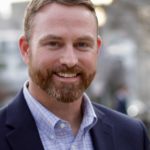
Fellowship Southwest encourages and strengthens “the compassionate mission and prophetic advocacy work” of its partnering churches, said Stephen Reeves, executive director of Fellowship Southwest.
“We support an active network serving migrants every day, because we take the words of Jesus seriously,” said Reeves, who also is an attorney.
“Every church should be able to follow the divine mandates to love our neighbors and welcome the stranger without fear of ICE intrusions into sacred spaces or retribution from government officials who don’t share our faith convictions.”









We seek to connect God’s story and God’s people around the world. To learn more about God’s story, click here.
Send comments and feedback to Eric Black, our editor. For comments to be published, please specify “letter to the editor.” Maximum length for publication is 300 words.