Review: Disarming Leviathan: Loving Your Christian Nationalist Neighbor
Disarming Leviathan: Loving Your Christian Nationalist Neighbor
By Caleb E. Campbell (InterVarsity Press)
Make no mistake: Caleb Campbell sees Christian nationalism as dangerous. He believes it distorts the gospel. It ruptures families and divides churches. Like the symbolic Leviathan in Scripture, Christian nationalism is an evil, powerful and chaotic force that purposefully instills fear.
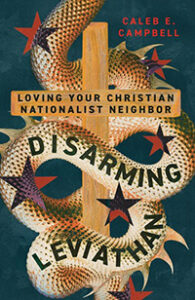 However, Christian nationalists are not the enemy. Some are family members. Many are devoutly committed to God, although they have been fed a distorted picture of what the Lord requires—and it’s not doing justice, loving mercy and walking humbly. All are neighbors whom we are called to love.
So, Campbell views his role as a missionary to Christian nationalists. That is not to say he views all who identify as Christian nationalists to be hopeless heretics or unsaved heathens. However, he believes they have been duped by leaders who have persuaded them to accept ideals contrary to the teachings of Jesus. And many have accepted Christian nationalism as a “tribal identity” that offers them a sense of belonging and reinforces their prejudices, without any genuine commitment to Christ. Some Christian nationalists need to be led gently back to the gospel, while others need to be introduced to it.
Campbell helps readers understand not only what Christian nationalism teaches, but also why its adherents find that message appealing. He explores the fears and anxieties that draw many to Christian nationalism. He encourages readers to listen to their Christian nationalist neighbors and extend hospitality to them.
One of the most helpful sections of the book is a “field guide” for responding to American Christian nationalists. The guide is not designed to equip readers to win debates. Rather, it is intended to help them engage in meaningful, heartfelt conversations with neighbors who espouse some of the most commonly repeated statements of Christian nationalism. By listening attentively, asking clarifying questions, affirming any shared values and avoiding red flags, missionaries to Christian nationalists can ask gently probing questions that invite their neighbors to think more deeply and consider what the Bible has to say.
In contentious times, Campbell addresses a controversial subject in a compassionate, pastoral and missional manner.
Ken Camp, managing editor
Baptist Standard
 For others, like me, it’s the vehicle by which the sacredness of life in this world can be captured most specifically—in a brief set of intentional words, which illuminate beauty, meaning and value in even the most mundane moments.
 Centered on a three-part framework of preparation, dedication and liberation, the book systematically addresses systemic racism and how its threads can be unwoven.
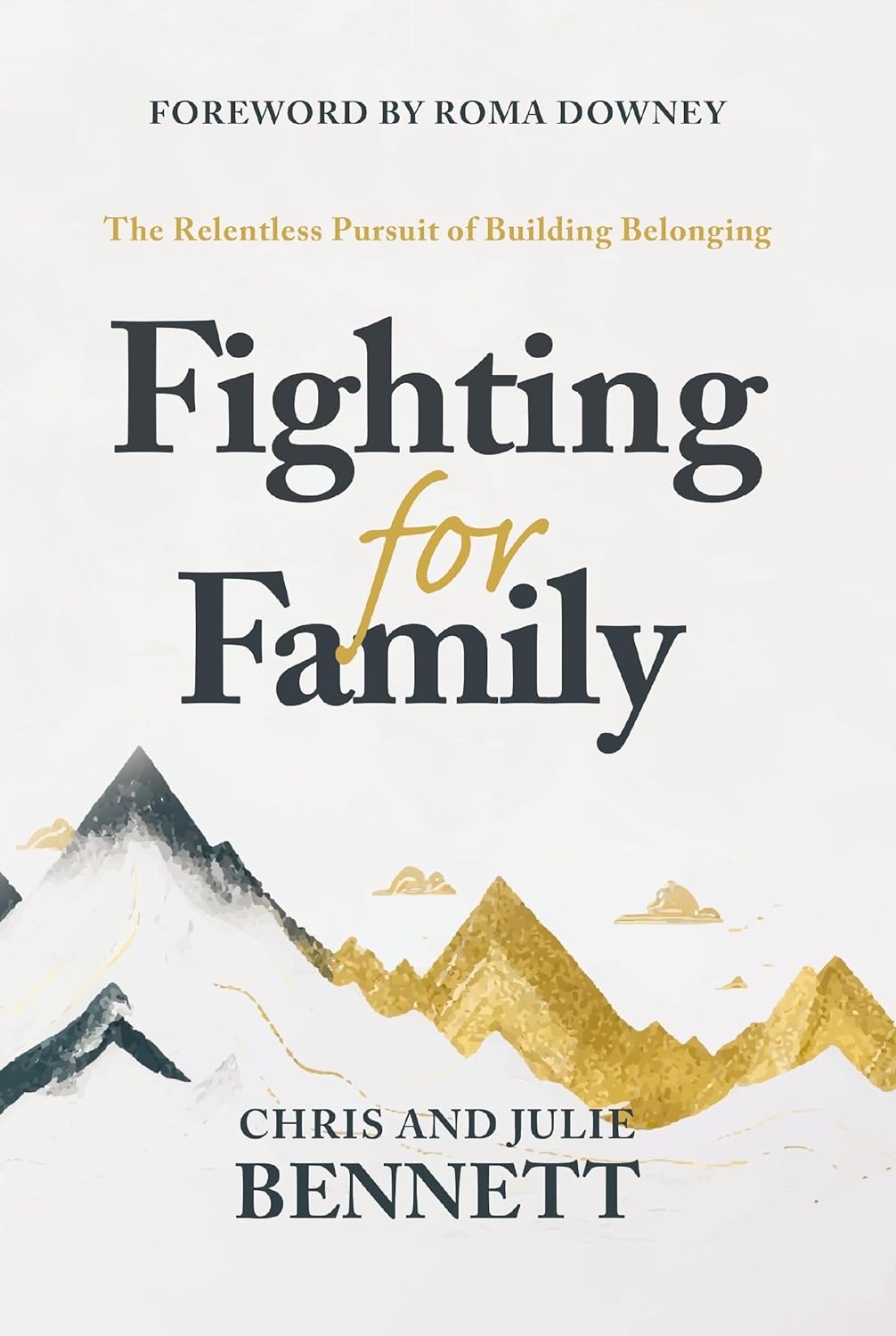 In 2018, the Bennetts moved their family of six from Oklahoma, where Chris was a minister, to California, hoping to create an entertainment company related to “all things family,” only to be hit by an unexpected cancer diagnosis.
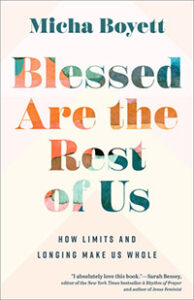 Jesus challenged his followers to exercise their spiritual imaginations, envisioning a way of living that prioritizes the vulnerable with all their vulnerabilities. Micha Boyett challenges readers to reconsider human flourishing—blessedness—as based on innate worth rather than achievement. She provides a painfully beautiful and honest look at life as it is, with more than occasional glimpses of life lived according to “God’s dream” for humanity.