Connect360: Sacred Life of the Preborn
- Lesson 10 in the Connect360 unit “Sacred Life: God’s Plan for Us” focuses on Psalm 139:13-16.
As lesson 9 noted, one of the clearest and most direct biblical passages affirming the preborn life’s beautiful and sacred nature is found in Psalm 139:13–16. This passage is a poignant testament to the value and sanctity of the preborn life in Christian teaching. These verses poetically express the truth that God’s involvement in human life begins right from the womb.
The imagery of being “knit together” in the mother’s womb conveys a sense of intimate, careful creation, revealing that each person is not just a biological accident but a purposefully crafted being. This psalm affirms that a person’s identity and existence are already known to God before birth, implying a deep level of divine care and intentionality.
The phrase “all the days ordained for me were written in your book before one of them came to be” further strengthens the idea that every life has a predetermined purpose and significance, established even before birth.
For God’s children, this passage is a powerful testimony to the profound worth and dignity of the preborn, seeing them as fully human and cherished in the eyes of God, deserving of protection and respect.
In Hebrew, the phrase “knit together” has a stronger connotation that a soft blanket someone made for a loved one. Rather, this phrase commonly means to “cover” or “overshadow.” In a literal sense, it can refer to covering something in a protective or shielding manner.
This word appears in various contexts in the Old Testament often with the connotation of providing protection or shelter. In the context of Psalm 139, God is weaving a person together in their mother’s womb means God is both the one creating them and simultaneously protecting them. It reflects God’s protective and formative action in creating a person. This term points to the protective, nurturing aspect of God’s relationship with every individual even before birth, highlighting a deep, personal connection and care from the very beginning of life.
Other biblical passages directly speak to the preborn’s personhood and subsequent dignity and value. Jeremiah 1:5 is a common verse many point to as a testimony to the personhood of the preborn—“Before I formed you in the womb I knew you, before you were born I set you apart; I appointed you as a prophet to the nations.”
While God is speaking directly to the prophet, this passage demonstrates the innate personhood and individuality of Jeremiah when he was still inside his mother’s womb. Moreover, notice how God speaks to the current and yet-to-be-nature of Jeremiah’s calling. Before he was born, God had already set him apart for a special purpose and plan.
In Luke 1:41–44, when Mary, the mother of Jesus Christ, comes to visit her pregnant cousin Elizabeth, who is also pregnant with her son John the Baptist, Elizabeth exclaims: “Blessed are you among women, and blessed is the child you will bear! But why am I so favored, that the mother of my Lord should come to me? As soon as the sound of your greeting reached my ears, the baby in my womb leaped for joy.” Filled with the Holy Spirit, the unborn John the Baptist leaped for joy at the presence of the unborn Christ.
By Katie Frugé, director for the Center for Cultural Engagement and the Christian Life Commission of Texas Baptists.
To learn more about GC2 Press and the Connect360 Bible study series, or to order materials, click here.
 Over My Head, Book 1 (Genesis-Deuteronomy) in Patrick Wigglesworth’s Bizarre Bible Adventure series by Liz and Jack Hagler seeks to answer those questions and many more in a kid-friendly, graphic novel format. Similar to comic books, graphic novels use sequential art, in this case black and white drawings by Liz Hagler, to tell a stand-alone story that can be fiction or nonfiction.
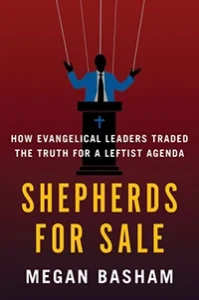 Basham writes in an easily accessible style. She frankly admits she does not qualify as a theologian, nor does she make many attempts at describing the theological ramifications of her claims. She sees her task as reporting the facts—a task she executes through both anecdotal narratives and hardline receipts.
 The most practical readers will want to begin in the appendices with the cost comparisons of natural burial, conventional burial and cremation. The accountants among us may not need any more than those two pages.
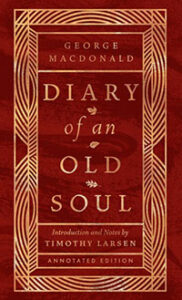 Inquire about George MacDonald, and some individuals well-versed in the Inklings would remember the Scottish minister and author as a pioneer of modern fantasy and the “Grandfather of the Inklings” although he died in 1905 when Lewis and Tolkien were children.
 Part of the series’ appeal is each book is short—about 100 pages a piece. Each book also is almost small enough to fit in a pocket and focused on one leadership challenge. With large font and often-funny illustrations throughout, they’re meant for on-the-go.