Students give up Facebook, Twitter for Lent

WASHINGTON, D.C. (RNS)—Most days, you can find college sophomore Adan Farrah on his laptop checking in with his classmates, looking at photos and updating his personal page on Facebook.

For the 19-year-old and many of his friends, the social networking site is something close to an obsession.

“I’m on there a total of three hours a day … four hours on weekends,” said Farrah, a native of Monroe, N.J., and now a student at Kutztown University in Pennsylvania.

But on Ash Wednesday, Farrah decided to quit Facebook cold turkey. No more status updates. No more commenting on photos posted by classmates. No more connecting with high school friends.

A growing number of Christian technophiles have sworn off Facebook, MySpace, Twitter and other technology for Lent.

In a new twist on an old religious tradition, a growing number of Christian technophiles have sworn off Facebook, MySpace, Twitter and other technology for Lent. Thousands of Facebook users have joined “Giving up Facebook for Lent” groups on the site, replacing the photos on their profiles with boxes announcing they will be gone for six weeks.

Religious leaders and scholars across the country are encouraging the faithful to unplug from Facebook, MySpace and other sites in a virtual Lenten fast.

“Oftentimes, we are just spending too much time on these things. We’re out of balance,” said John Grimm, an assistant professor of Christian ethics at Seton Hall University in New Jersey. “Giving up something we enjoy and like is to make restitution—to give penance for our sins.”

Lent began Feb. 25 and ends on Easter. Though traditions vary from church to church, most churches encourage parishioners to either give something up or take something on for the Lenten season, echoing the period Jesus spent in the desert fasting and enduring temptations of Satan.

Yes, going on a Facebook fast counts as a Lenten sacrifice in God’s eyes, Grimm said.

Grimm, who recently joined Facebook at the behest of his students, said he does not plan to give it up for Lent.

Instead, he is cutting down on the time he spends surfing the Web for entertainment and sports news. The idea is to replace the time spent doing something we enjoy with charitable acts, prayer, spiritual reading or something else that brings us closer to God, he said.

Facebook began in 2004 as a social networking site for college students and quickly grew into a nationwide phenomenon with more than 175 million members.

The idea of giving up Facebook for Lent was started a few years ago by students at Christian colleges.

Jozef Jankovic, a Facebook user from Michigan, said he heard about the idea and started one of more than a dozen “Facebook for Lent” groups on the site this year that advocate a Facebook fast. More than 80 of his friends and friends of friends became members.

“I like that group because it really warns you about risks of virtual communication,” Jankovic said. “Communication can be very helpful—but on the other hand very seductive and addictive.”

Pastor Tim Morral of New Covenant Church in Rochester, N.Y., said many of his parishioners have asked him about giving up technology for Lent. He estimates about a third to a half of his 300-member nondenominational Christian church is on Facebook.

On his blog, Morral advised those who feel they are addicted to social networking to try to quit Facebook for Lent. But he also advised the opposite for “voyeurs,” the Facebook users who log on regularly to see what their friends have posted while never updating their own accounts. Those users should commit to opening up and sharing more on Facebook during Lent, he said.

“Facebook is a great tool for building community, but part of being in a community is participating,” he said.

As for Morral, he is devoting his Lenten season to cutting down on his Internet use. Instead of monitoring his e-mail inbox all day long and signing on to Facebook three or four times a day, the pastor said he will limit himself to one look a day.

“I think I can do it,” Morral said. “Check in with me in 40 days.”


Kelly Heyboer writes for The Star-Ledger in Newark, N.J.


Students give up Facebook, Twitter for Lent

WASHINGTON, D.C. (RNS)—Most days, you can find college sophomore Adan Farrah on his laptop checking in with his classmates, looking at photos and updating his personal page on Facebook.

For the 19-year-old and many of his friends, the social networking site is something close to an obsession.

“I’m on there a total of three hours a day … four hours on weekends,” said Farrah, a native of Monroe, N.J., and now a student at Kutztown University in Pennsylvania.

But on Ash Wednesday, Farrah decided to quit Facebook cold turkey. No more status updates. No more commenting on photos posted by classmates. No more connecting with high school friends.

A growing number of Christian technophiles have sworn off Facebook, MySpace, Twitter and other technology for Lent.

In a new twist on an old religious tradition, a growing number of Christian technophiles have sworn off Facebook, MySpace, Twitter and other technology for Lent. Thousands of Facebook users have joined “Giving up Facebook for Lent” groups on the site, replacing the photos on their profiles with boxes announcing they will be gone for six weeks.

Religious leaders and scholars across the country are encouraging the faithful to unplug from Facebook, MySpace and other sites in a virtual Lenten fast.

“Oftentimes, we are just spending too much time on these things. We’re out of balance,” said John Grimm, an assistant professor of Christian ethics at Seton Hall University in New Jersey. “Giving up something we enjoy and like is to make restitution—to give penance for our sins.”

Lent began Feb. 25 and ends on Easter. Though traditions vary from church to church, most churches encourage parishioners to either give something up or take something on for the Lenten season, echoing the period Jesus spent in the desert fasting and enduring temptations of Satan.

Yes, going on a Facebook fast counts as a Lenten sacrifice in God’s eyes, Grimm said.

Grimm, who recently joined Facebook at the behest of his students, said he does not plan to give it up for Lent.

Instead, he is cutting down on the time he spends surfing the Web for entertainment and sports news. The idea is to replace the time spent doing something we enjoy with charitable acts, prayer, spiritual reading or something else that brings us closer to God, he said.

Facebook began in 2004 as a social networking site for college students and quickly grew into a nationwide phenomenon with more than 175 million members.

The idea of giving up Facebook for Lent was started a few years ago by students at Christian colleges.

Jozef Jankovic, a Facebook user from Michigan, said he heard about the idea and started one of more than a dozen “Facebook for Lent” groups on the site this year that advocate a Facebook fast. More than 80 of his friends and friends of friends became members.

“I like that group because it really warns you about risks of virtual communication,” Jankovic said. “Communication can be very helpful—but on the other hand very seductive and addictive.”

Pastor Tim Morral of New Covenant Church in Rochester, N.Y., said many of his parishioners have asked him about giving up technology for Lent. He estimates about a third to a half of his 300-member nondenominational Christian church is on Facebook.

On his blog, Morral advised those who feel they are addicted to social networking to try to quit Facebook for Lent. But he also advised the opposite for “voyeurs,” the Facebook users who log on regularly to see what their friends have posted while never updating their own accounts. Those users should commit to opening up and sharing more on Facebook during Lent, he said.

“Facebook is a great tool for building community, but part of being in a community is participating,” he said.

As for Morral, he is devoting his Lenten season to cutting down on his Internet use. Instead of monitoring his e-mail inbox all day long and signing on to Facebook three or four times a day, the pastor said he will limit himself to one look a day.

“I think I can do it,” Morral said. “Check in with me in 40 days.”


Kelly Heyboer writes for The Star-Ledger in Newark, N.J.


American Muslims a diverse group

WASHINGTON—Muslims in America attend worship services weekly just as much as Protestant Americans. Among the nation’s faith groups, they are the most racially diverse. And they’re younger: more than a third of Muslim adults—36 percent—are between ages 18 and 29, double the percentage of young U.S. adults overall.

So says a sweeping new study by the Gallup Center for Muslim Studies, which indicates U.S. Muslims reflect both the successes and challenges of American life. While 30 percent of Muslim Americans work in professional occupations, another 27 percent said there were times in the previous year when they lacked enough money to buy the food they needed.

“I think one of the biggest myths that was shattered is that Muslim Americans are incredibly different from the rest of America, whereas we find that the community really reflects the rich … American mosaic,” said Dalia Mogahed, senior analyst and executive director of the center.

The 137-page report, “Muslim Americans: A National Portrait,” reveals similarities and differences between Muslims and other Americans from the perspectives of race, age, gender, political viewpoints and economic standing.

Among U.S. Muslims, no racial/ ethnic group makes up a majority: 35 percent describe themselves as African-American; 28 percent as white; 18 percent as Asian; 18 percent as “other”; and 1 percent as Hispanic.

They also are diverse politically, with 38 percent saying they are moderate, 23 percent liberal, 21 percent conservative. Another 6 percent said they were “very liberal,” and 4 percent called themselves “very conservative.”

Asked about party affiliation, 49 percent of Muslim respondents said they were Democrats, 37 percent independents and 8 percent Republicans.

While Muslims put themselves in different political categories, they are less likely than other Americans to register to vote. With 64 percent registered, Muslims rank as the lowest percentage among religious groups studied by Gallup.

Ahmed Younis, senior analyst for the Gallup Center for Muslim Studies, said lower levels of political involvement are a familiar pattern for immigrant groups.

Researchers found economic disparities among Muslims reflect racial income differences in the country. For example, while 44 percent of Muslim Asian-Americans have a monthly household income of $5,000 or more, just 17 percent of Muslim African-Americans report such a high income.

Eight in 10 Muslims said religion is an important part of their daily lives, an emphasis surpassed only by Mormons at 85 percent.

The research showed the same percentage of Muslims as Protestants—41 percent—report at-tending worship services each week. And those services are attended equally by men and women, which contrasts sharply with many countries with Muslim majorities, where men attend more often than women.

“Despite their differences across race and class,” Mogahed said, “Muslim Americans, regardless of their race, say religion is an important part of their daily lives, sometimes differing from their racial peers in the general public.”

Researchers paid particular attention to young Muslims since they comprise a far larger percentage of Muslims than their counterparts in the general population. More than a third (36 percent) of Muslims are ages 18 to 29, compared to just 18 percent of the general population.


American Muslims a diverse group

WASHINGTON—Muslims in America attend worship services weekly just as much as Protestant Americans. Among the nation’s faith groups, they are the most racially diverse. And they’re younger: more than a third of Muslim adults—36 percent—are between ages 18 and 29, double the percentage of young U.S. adults overall.

So says a sweeping new study by the Gallup Center for Muslim Studies, which indicates U.S. Muslims reflect both the successes and challenges of American life. While 30 percent of Muslim Americans work in professional occupations, another 27 percent said there were times in the previous year when they lacked enough money to buy the food they needed.

“I think one of the biggest myths that was shattered is that Muslim Americans are incredibly different from the rest of America, whereas we find that the community really reflects the rich … American mosaic,” said Dalia Mogahed, senior analyst and executive director of the center.

The 137-page report, “Muslim Americans: A National Portrait,” reveals similarities and differences between Muslims and other Americans from the perspectives of race, age, gender, political viewpoints and economic standing.

Among U.S. Muslims, no racial/ ethnic group makes up a majority: 35 percent describe themselves as African-American; 28 percent as white; 18 percent as Asian; 18 percent as “other”; and 1 percent as Hispanic.

They also are diverse politically, with 38 percent saying they are moderate, 23 percent liberal, 21 percent conservative. Another 6 percent said they were “very liberal,” and 4 percent called themselves “very conservative.”

Asked about party affiliation, 49 percent of Muslim respondents said they were Democrats, 37 percent independents and 8 percent Republicans.

While Muslims put themselves in different political categories, they are less likely than other Americans to register to vote. With 64 percent registered, Muslims rank as the lowest percentage among religious groups studied by Gallup.

Ahmed Younis, senior analyst for the Gallup Center for Muslim Studies, said lower levels of political involvement are a familiar pattern for immigrant groups.

Researchers found economic disparities among Muslims reflect racial income differences in the country. For example, while 44 percent of Muslim Asian-Americans have a monthly household income of $5,000 or more, just 17 percent of Muslim African-Americans report such a high income.

Eight in 10 Muslims said religion is an important part of their daily lives, an emphasis surpassed only by Mormons at 85 percent.

The research showed the same percentage of Muslims as Protestants—41 percent—report at-tending worship services each week. And those services are attended equally by men and women, which contrasts sharply with many countries with Muslim majorities, where men attend more often than women.

“Despite their differences across race and class,” Mogahed said, “Muslim Americans, regardless of their race, say religion is an important part of their daily lives, sometimes differing from their racial peers in the general public.”

Researchers paid particular attention to young Muslims since they comprise a far larger percentage of Muslims than their counterparts in the general population. More than a third (36 percent) of Muslims are ages 18 to 29, compared to just 18 percent of the general population.


Pastor discovers ways to deal with his depression

RICHMOND, Va.—Kirby Smith has his life back. After years of struggling with clinical depression—what he calls “a hell on earth”—the Virginia Baptist pastor has discovered in both medical and psychological treatment a way to deal with his disease.

“I feel better now emotionally, spiritually, psychologically and in terms of self-awareness than I have since I was in seminary and going to my first church and getting married—better than in 25 years,” said Smith, pastor of Oak Forest Baptist Church in Richmond. Treatment “has given me back who I was in college and seminary.”

It hasn’t been easy. Over several years, Smith underwent a regimen of prayer, counseling, medication and electroconvulsive therapy—a well-established, though sometimes controversial, psychiatric procedure in which seizures are electrically induced in patients for therapeutic effect.

Depression started as "malaise"

Smith began exhibiting signs of clinical depression in the early 1990s, while pastor of a Baptist church in Lawrenceville, Va. It began as a sort of “malaise,” he said—a lack of enthusiasm and initiative he felt both at home and work.

“I talked about it with the director of missions in my (Baptist) association, and he told me it sounded like clinical depression,” Smith, then in his early 30s, recalled. “But I ignored it. It didn’t mean anything to me. I didn’t know anything about clinical depression.”

But within a few months, he was “sitting in my office and staring at the wall.” Other symptoms materialized. At times his heart rate was up and his breathing fast; at other times lethargy paralyzed him. He dreaded going home to greet his wife and two young children at the end of the day because

“I knew the kids would want to be with daddy and I didn’t want to deal with. I hung around the office as long as I could.”

Smith’s deep faith in God naturally inclined him to prayer. “I prayed and prayed and prayed and got nowhere. I thought, ‘God, what is the deal?’ “

At about that time Smith was called to a new church, this one in Altavista, Va. Almost immediately his depression disappeared. “I don’t know if it was a change of scenery or what, but overnight (the depression) just left. I’d been living with it for about five years and it just left. “

For two years, he felt energized by his new ministry responsibilities and took pleasure in the tasks. But eventually the symptoms reappeared. This time he turned to a member of his church who was a doctor and a trusted friend. The doctor prescribed medication which diminished the effects—so successfully that after about two years Smith, with the doctor’s consent, stopped taking it.

Isolation 

By 2003, though, Smith—now in his early 40s—began “to feel really, really awful.” He couldn’t prepare sermons and recycled old ones instead. He avoided people whenever he could, making himself almost inacccessible to his church members.

For months, Smith had been scheduled to deliver the baccalaureate address before his daughter’s high school graduation that year. “I’d worked to prepare it and had it memorized. I was excited, really pumped.”

But a week before graduation, he suffered “a complete meltdown—I guess the best way to describe it would be a nervous breakdown.” He remained in bed, curled in a fetal position, completely immobilized. Smith’s wife, Laura, drove him to the emergency room at Lynchburg (Va.) General Hospital.

Two days later he was on a psychiatrist’s couch at nearby Virginia Baptist Hospital, sobbing. “I just couldn’t help myself.”

The doctor prescribed a high dosage of medication, which allowed Smith—whose wife had arranged for another pastor to give the baccalaureate address—to slip in and watch his daughter graduate. “I sat in the corner. I didn’t want to talk to anyone.”

The medication worked—for awhile. Two weeks later Smith was back in his Altavista pulpit and for the next year and a half he continued to minister effectively. But in 2005, the bottom fell out again—the same lethargy, the same withdrawals. In July of that year, three deacons from his church told Smith he needed to take a medical leave of absence.

“I was so happy I didn’t know what to do,” he said. “They offered me a way out and I needed out.” With the help of doctors and an attorney, he quickly qualified for disability insurance—“One of God’s miracles,” he said, since the qualification process often takes much longer.

But this time Smith’s symptoms didn’t respond to medication and in the fall he resigned his church—10 years to the day after beginning ministry there. “I needed to take care of myself and (the church) needed to move on, as well.”

After another year of “playing with medicine dosages and combinations,” Smith’s doctors cautiously suggested electroconvulsive therapy. “I told them if it will help, I’m there.” During a 10-day hospital stay, Smith received ECT treatment every other day. Later he underwent five more treatments as an outpatient.

“If you’ve ever seen One Flew Over the Cuckoo’s Nest—well, ECT’s not like that anymore,” Smith said. “It’s not ‘medieval’ like it used to be.” And in fact, Smith says, the treatment made him feel better almost immediately, though complete healing took several more months. “But I’ve felt great ever since.”

In 2006 he was called to Oak Forest Church, where his wife also leads music, and he teaches church history and ethics adjunctively at the John Leland Center for Theological Studies, a Virginia Baptist-affiliated seminary in Falls Church, Va.

Mistake to treat depression as a spiritual flaw

Through his experience, Smith says he’s become convinced that it’s a mistake to treat depression only as a spiritual flaw. “A lot of people say that it’s a spiritual battle, that you’re battling demons; that if you’re a strong enough Christian you can pray it away, or if you can’t, it’s a spiritual weakness or a character flaw,” he said.

He finds it especially irritating when people ask him if his depression was prompted by the pressures of ministry. “It implies that I’m not strong enough to do my job,” he said, though he acknowledged that external conditions can exacerbate the situation.

“But to my way of thinking, this is a 100 percent medical condition caused by an imbalance of chemicals in the brain, and it needs to be treated medically, perhaps also with counseling.

“The brain is an organ in your body just like anything else,” he adds. “If it gets messed up you treat it medically, just as someone would seek dialysis for a malfunctioning kidney.”

Smith hopes churches can respond compassionately if their pastors face challenges similar to his. “Congregations need to encourage their pastor not to be Joe Super Faithful, but seek medical help,” he said. “Church members needs to encourage, be proactive, even interventionist. … They need to give pastors permission to seek help without thinking the congregation will fire them. And that people won’t think the worst of them when they come back.”

As for himself, Smith says in the back of his mind he often wonders if “I’m like a cancer patient in remission. I don’t really know if it will never come back.”

And if it does? “I would have no hesitation in going through all the treatment again. It’s worth it to have your life back.”


Pastor discovers ways to deal with his depression

RICHMOND, Va.—Kirby Smith has his life back. After years of struggling with clinical depression—what he calls “a hell on earth”—the Virginia Baptist pastor has discovered in both medical and psychological treatment a way to deal with his disease.

“I feel better now emotionally, spiritually, psychologically and in terms of self-awareness than I have since I was in seminary and going to my first church and getting married—better than in 25 years,” said Smith, pastor of Oak Forest Baptist Church in Richmond. Treatment “has given me back who I was in college and seminary.”

It hasn’t been easy. Over several years, Smith underwent a regimen of prayer, counseling, medication and electroconvulsive therapy—a well-established, though sometimes controversial, psychiatric procedure in which seizures are electrically induced in patients for therapeutic effect.

Depression started as "malaise"

Smith began exhibiting signs of clinical depression in the early 1990s, while pastor of a Baptist church in Lawrenceville, Va. It began as a sort of “malaise,” he said—a lack of enthusiasm and initiative he felt both at home and work.

“I talked about it with the director of missions in my (Baptist) association, and he told me it sounded like clinical depression,” Smith, then in his early 30s, recalled. “But I ignored it. It didn’t mean anything to me. I didn’t know anything about clinical depression.”

But within a few months, he was “sitting in my office and staring at the wall.” Other symptoms materialized. At times his heart rate was up and his breathing fast; at other times lethargy paralyzed him. He dreaded going home to greet his wife and two young children at the end of the day because

“I knew the kids would want to be with daddy and I didn’t want to deal with. I hung around the office as long as I could.”

Smith’s deep faith in God naturally inclined him to prayer. “I prayed and prayed and prayed and got nowhere. I thought, ‘God, what is the deal?’ “

At about that time Smith was called to a new church, this one in Altavista, Va. Almost immediately his depression disappeared. “I don’t know if it was a change of scenery or what, but overnight (the depression) just left. I’d been living with it for about five years and it just left. “

For two years, he felt energized by his new ministry responsibilities and took pleasure in the tasks. But eventually the symptoms reappeared. This time he turned to a member of his church who was a doctor and a trusted friend. The doctor prescribed medication which diminished the effects—so successfully that after about two years Smith, with the doctor’s consent, stopped taking it.

Isolation 

By 2003, though, Smith—now in his early 40s—began “to feel really, really awful.” He couldn’t prepare sermons and recycled old ones instead. He avoided people whenever he could, making himself almost inacccessible to his church members.

For months, Smith had been scheduled to deliver the baccalaureate address before his daughter’s high school graduation that year. “I’d worked to prepare it and had it memorized. I was excited, really pumped.”

But a week before graduation, he suffered “a complete meltdown—I guess the best way to describe it would be a nervous breakdown.” He remained in bed, curled in a fetal position, completely immobilized. Smith’s wife, Laura, drove him to the emergency room at Lynchburg (Va.) General Hospital.

Two days later he was on a psychiatrist’s couch at nearby Virginia Baptist Hospital, sobbing. “I just couldn’t help myself.”

The doctor prescribed a high dosage of medication, which allowed Smith—whose wife had arranged for another pastor to give the baccalaureate address—to slip in and watch his daughter graduate. “I sat in the corner. I didn’t want to talk to anyone.”

The medication worked—for awhile. Two weeks later Smith was back in his Altavista pulpit and for the next year and a half he continued to minister effectively. But in 2005, the bottom fell out again—the same lethargy, the same withdrawals. In July of that year, three deacons from his church told Smith he needed to take a medical leave of absence.

“I was so happy I didn’t know what to do,” he said. “They offered me a way out and I needed out.” With the help of doctors and an attorney, he quickly qualified for disability insurance—“One of God’s miracles,” he said, since the qualification process often takes much longer.

But this time Smith’s symptoms didn’t respond to medication and in the fall he resigned his church—10 years to the day after beginning ministry there. “I needed to take care of myself and (the church) needed to move on, as well.”

After another year of “playing with medicine dosages and combinations,” Smith’s doctors cautiously suggested electroconvulsive therapy. “I told them if it will help, I’m there.” During a 10-day hospital stay, Smith received ECT treatment every other day. Later he underwent five more treatments as an outpatient.

“If you’ve ever seen One Flew Over the Cuckoo’s Nest—well, ECT’s not like that anymore,” Smith said. “It’s not ‘medieval’ like it used to be.” And in fact, Smith says, the treatment made him feel better almost immediately, though complete healing took several more months. “But I’ve felt great ever since.”

In 2006 he was called to Oak Forest Church, where his wife also leads music, and he teaches church history and ethics adjunctively at the John Leland Center for Theological Studies, a Virginia Baptist-affiliated seminary in Falls Church, Va.

Mistake to treat depression as a spiritual flaw

Through his experience, Smith says he’s become convinced that it’s a mistake to treat depression only as a spiritual flaw. “A lot of people say that it’s a spiritual battle, that you’re battling demons; that if you’re a strong enough Christian you can pray it away, or if you can’t, it’s a spiritual weakness or a character flaw,” he said.

He finds it especially irritating when people ask him if his depression was prompted by the pressures of ministry. “It implies that I’m not strong enough to do my job,” he said, though he acknowledged that external conditions can exacerbate the situation.

“But to my way of thinking, this is a 100 percent medical condition caused by an imbalance of chemicals in the brain, and it needs to be treated medically, perhaps also with counseling.

“The brain is an organ in your body just like anything else,” he adds. “If it gets messed up you treat it medically, just as someone would seek dialysis for a malfunctioning kidney.”

Smith hopes churches can respond compassionately if their pastors face challenges similar to his. “Congregations need to encourage their pastor not to be Joe Super Faithful, but seek medical help,” he said. “Church members needs to encourage, be proactive, even interventionist. … They need to give pastors permission to seek help without thinking the congregation will fire them. And that people won’t think the worst of them when they come back.”

As for himself, Smith says in the back of his mind he often wonders if “I’m like a cancer patient in remission. I don’t really know if it will never come back.”

And if it does? “I would have no hesitation in going through all the treatment again. It’s worth it to have your life back.”


Well Community offers lessons learned from ministry to mentally ill people

DALLAS—Up to 25 percent of the U.S. population has a diagnosable mental illness. Christians agree 100 percent of those people deserve to know Christ, but few churches reach out to them.

Well Pastor Joel Pulis

Believed to be the only church that counts the mentally ill as its target population, The Well Community in Dallas is seeking to be an avenue where mentally ill people can come to know the love of Christ. And the church hopes it can be a model for other congregations.

The Well Community started in 2002, and Pastor Joel Pulis has learned a few things he believes might be helpful to others.

“One of the things at the top of the list is that I don’t have professional mental health training. This is a lay ministry. The skills of praying for and with someone and just being a spiritual friend are what are needed in this ministry,” he said. “I wouldn’t seek to believe that everyone is called to this ministry. But if you are called to it, God will gift you for it.”

The Scripture passage that reigns as the theme of the ministry is Matthew 9:35-10:10, he said. In these verses, Pulis sees a balance between spiritual needs and physical ones. The passage recounts Jesus going through villages preaching the good news and also healing disease and sickness.

“At The Well, we see it as a spiritual problem, a medical problem and a biological problem. It’s not, ‘Take your meds, and you’ll get better,’ or, ‘Trust Jesus more, and you’ll get better.’ It’s both of those,” he said.

“That passage also speaks about Jesus having compassion on the harassed and helpless, and there are probably no one in this country as harassed and helpless as the mentally ill.

“They are made in the image of God, and we’re called to be compassionate toward them. So that compassion is huge, and if you don’t have that, if you can’t look at these people with a deep and abiding love, I’d question whether you’re called to this ministry.”

The severity of mental illness varies widely. Some are homeless. Others successfully hold down jobs and live with supportive families. “These people are in every one of our churches,” he said.

Despite the prevalence, a great stigma still surrounds mental illness, Pulis asserted. Some are afraid of the mentally ill, considering them to be violent.

“We’ve never had a violent episode in our history. And the reality is, the mentally ill are more likely to be a victim than a perpetrator of violence,” he said.

Perhaps Baptists should look at the mentally ill as an unreached people group, he suggested.

“In Dallas County, there are an estimated 21,000 with severe and disabling mental illness. That is not a language group, and that is not an ethnic group, but it is a group with a distinct culture,” he said.

“The Well is multi-ethnic and multigenerational. The glue that holds us together is being diagnosed with mental illness.”

Members of The Well Community fellowship after a meeting. (Photos via www.charityforthelove.org )

While he would like to see a greater willingness in mainstream churches to accept the mentally ill, he looks at the success of niche congregations like the western-heritage churches and sees the advantages of reaching out to a particular culture.

“I think there is some benefit in having this focus. Some of that is a concession to the stigma that goes along with mental illness, but there also is a balance in meeting the needs of these people,” he said.

In the center of the Scripture passage, Pulis notes the call to be healers is maybe more widely spread than those who heed it. The end of Matthew 9 has Jesus telling his disciples to ask the Lord for workers to send out to the harvest, and then in chapter 10 it is the disciples who are sent out.

“Jesus gave that task to the 12, and I believe it isn’t unique to those 12 but is a commission to everybody to go and help heal the afflicted,” he said.

The essentials of a ministry to the mentally ill are to preach the good news and address spiritual issues, help engender a social community, try to help the mentally ill secure clean and decent housing, and encourage them to see doctors and stay faithful to their orders.

“We try to tell them we believe in you, there is hope for you. We also try to give them a support network and be a friend. Those are things an average Christian could help with,” he said.

Pulis encouraged churches interested in reaching out to the mentally ill to go to the county mental health/mental retardation center and ask how the church could help.

Last year, The Well ministered to 275 individuals. It averages about 45 each day at its noon meal and community center, and about 70 to 80 each Saturday night for worship services.

The ministry has a residential facility for eight men and a building where 30 people have individual efficiency apartments. It helps others find clean and secure places to live.

“Housing is a big challenge for us going forward,” he acknowledged. “If they go back to a hellhole each night, it’s not good for their mental or spiritual health.”

For churches wanting to begin ministries, Pulis offered a few hints.

“When we first started, there wasn’t a lot of peer-to-peer interaction of support. We weren’t getting a lot of relationship going on between members. That will be that way to some degree with any new group, but in the mentally ill, they are so involved in their own worlds there is a lack of empathy and ability to love someone else. But we’ve seen that change over time at The Well,” he said.

“And even though I’m describing these people as unable to love, I have people who are college graduates and people who have a wealth of life experiences, so while bringing what you have to the table, they have a contribution to make as well.”

Realizing the intellectual acumen of his congregation has changed the way he preaches, he said.

“Early on, I felt I had to dumb down what I was saying. I’ve learned that some are extremely, extremely bright folks, and now I’m delivering a message the same as I would in any other context. Looking back, I could have slowed some of their spiritual progress,” Pulis acknowledged.

“There have been frustrations over times, and we’ve seen doors close, but every time it was the Lord preventing us from making a mistake. We just try to be just as aware of the doors he opens for us.”

One of those blessings is the support of other churches. Cliff Temple Baptist Church is the site of The Well, and has supported the congregation from its infancy.

Over the years, other churches have partnered with the Well, and last year, 29 churches helped with either volunteers, prayer support or financial gifts.

“Look beyond your local church,” Pulis said.

“There may be others in the community who have a heart and skills you’re looking for.”

Related Articles:

You are welcome here (pdf) Baylor Line, Spring 2008


Well Community offers lessons learned from ministry to mentally ill people

DALLAS—Up to 25 percent of the U.S. population has a diagnosable mental illness. Christians agree 100 percent of those people deserve to know Christ, but few churches reach out to them.

Well Pastor Joel Pulis

Believed to be the only church that counts the mentally ill as its target population, The Well Community in Dallas is seeking to be an avenue where mentally ill people can come to know the love of Christ. And the church hopes it can be a model for other congregations.

The Well Community started in 2002, and Pastor Joel Pulis has learned a few things he believes might be helpful to others.

“One of the things at the top of the list is that I don’t have professional mental health training. This is a lay ministry. The skills of praying for and with someone and just being a spiritual friend are what are needed in this ministry,” he said. “I wouldn’t seek to believe that everyone is called to this ministry. But if you are called to it, God will gift you for it.”

The Scripture passage that reigns as the theme of the ministry is Matthew 9:35-10:10, he said. In these verses, Pulis sees a balance between spiritual needs and physical ones. The passage recounts Jesus going through villages preaching the good news and also healing disease and sickness.

“At The Well, we see it as a spiritual problem, a medical problem and a biological problem. It’s not, ‘Take your meds, and you’ll get better,’ or, ‘Trust Jesus more, and you’ll get better.’ It’s both of those,” he said.

“That passage also speaks about Jesus having compassion on the harassed and helpless, and there are probably no one in this country as harassed and helpless as the mentally ill.

“They are made in the image of God, and we’re called to be compassionate toward them. So that compassion is huge, and if you don’t have that, if you can’t look at these people with a deep and abiding love, I’d question whether you’re called to this ministry.”

The severity of mental illness varies widely. Some are homeless. Others successfully hold down jobs and live with supportive families. “These people are in every one of our churches,” he said.

Despite the prevalence, a great stigma still surrounds mental illness, Pulis asserted. Some are afraid of the mentally ill, considering them to be violent.

“We’ve never had a violent episode in our history. And the reality is, the mentally ill are more likely to be a victim than a perpetrator of violence,” he said.

Perhaps Baptists should look at the mentally ill as an unreached people group, he suggested.

“In Dallas County, there are an estimated 21,000 with severe and disabling mental illness. That is not a language group, and that is not an ethnic group, but it is a group with a distinct culture,” he said.

“The Well is multi-ethnic and multigenerational. The glue that holds us together is being diagnosed with mental illness.”

Members of The Well Community fellowship after a meeting. (Photos via www.charityforthelove.org )

While he would like to see a greater willingness in mainstream churches to accept the mentally ill, he looks at the success of niche congregations like the western-heritage churches and sees the advantages of reaching out to a particular culture.

“I think there is some benefit in having this focus. Some of that is a concession to the stigma that goes along with mental illness, but there also is a balance in meeting the needs of these people,” he said.

In the center of the Scripture passage, Pulis notes the call to be healers is maybe more widely spread than those who heed it. The end of Matthew 9 has Jesus telling his disciples to ask the Lord for workers to send out to the harvest, and then in chapter 10 it is the disciples who are sent out.

“Jesus gave that task to the 12, and I believe it isn’t unique to those 12 but is a commission to everybody to go and help heal the afflicted,” he said.

The essentials of a ministry to the mentally ill are to preach the good news and address spiritual issues, help engender a social community, try to help the mentally ill secure clean and decent housing, and encourage them to see doctors and stay faithful to their orders.

“We try to tell them we believe in you, there is hope for you. We also try to give them a support network and be a friend. Those are things an average Christian could help with,” he said.

Pulis encouraged churches interested in reaching out to the mentally ill to go to the county mental health/mental retardation center and ask how the church could help.

Last year, The Well ministered to 275 individuals. It averages about 45 each day at its noon meal and community center, and about 70 to 80 each Saturday night for worship services.

The ministry has a residential facility for eight men and a building where 30 people have individual efficiency apartments. It helps others find clean and secure places to live.

“Housing is a big challenge for us going forward,” he acknowledged. “If they go back to a hellhole each night, it’s not good for their mental or spiritual health.”

For churches wanting to begin ministries, Pulis offered a few hints.

“When we first started, there wasn’t a lot of peer-to-peer interaction of support. We weren’t getting a lot of relationship going on between members. That will be that way to some degree with any new group, but in the mentally ill, they are so involved in their own worlds there is a lack of empathy and ability to love someone else. But we’ve seen that change over time at The Well,” he said.

“And even though I’m describing these people as unable to love, I have people who are college graduates and people who have a wealth of life experiences, so while bringing what you have to the table, they have a contribution to make as well.”

Realizing the intellectual acumen of his congregation has changed the way he preaches, he said.

“Early on, I felt I had to dumb down what I was saying. I’ve learned that some are extremely, extremely bright folks, and now I’m delivering a message the same as I would in any other context. Looking back, I could have slowed some of their spiritual progress,” Pulis acknowledged.

“There have been frustrations over times, and we’ve seen doors close, but every time it was the Lord preventing us from making a mistake. We just try to be just as aware of the doors he opens for us.”

One of those blessings is the support of other churches. Cliff Temple Baptist Church is the site of The Well, and has supported the congregation from its infancy.

Over the years, other churches have partnered with the Well, and last year, 29 churches helped with either volunteers, prayer support or financial gifts.

“Look beyond your local church,” Pulis said.

“There may be others in the community who have a heart and skills you’re looking for.”

Related Articles:

You are welcome here (pdf) Baylor Line, Spring 2008


Ministers often need help caring for their own mental health

Congregations often view their pastors as strong, stable shepherds, but many ministers experience a disconnect between the image they project and the mental and emotional battles to which they are subject.

“I have never met a clergy person, either in therapy or out, who did not suffer some type of wound to their self,” said clinical psychologist Robert Randall, who spent 37 years as minister of counseling at St. Peter’s United Church of Christ in Elmhurst, Ill.

Clergy are not very good at taking care of their health, he said. “The common excuse is ‘not enough time,’ but the underlying problem has more to do with narcissistic issues.”

Many ministers experience a disconnect between the image they project and the mental and emotional battles to which they are subject.

Clergy want to be seen as unshakeable and don’t allow anyone to see what they are going through. Instead, they keep “working and working” to be seen as productive and indispensable, Randall said.

“For some clergy, there is a long history of struggles to maintain firm self-cohesion and self-esteem,” he said. “But even pastors with a firm sense of self are always vulnerable to having their self shaken.”

Cliff Caton, pastor of First Christian Church in Blue Springs, Mo., and student at Central Baptist Theological Seminary, speaks about his history of depression from the pulpit.

Caton’s experience with depression came before he was a pastor. He lost his job at a bank, faced the foreclosure of his home and was divorced—all in a 90-day period. “I just sat in my apartment for a year, leaving to go to the gym and buy groceries,” he said.

Sharing his experience with his congregation gives them permission to not be perfect, he said. Several have come forward to seek help for their own struggles.

Speaking about depression and other mental health issues can help remove the stigma, he said. “A number of clergy still view it (depression) as a weakness, but it’s a disease. Is there shame in having mumps?”

Randall recommends four steps for pastors facing depression:

• “Admit you are depressed and need help. Understand that this admission is a sign of strength, not of weakness—you care enough about yourself, and about those whose lives you touch, to reclaim your life.

• “Get into psychotherapy with a good therapist, one who not only understands depression but also understands the life of ministry. Stick with the therapy!

• “Consult your M.D. or a psychiatrist who your therapist might know to discuss the possible need for antidepressants. Stick with the medication!

• “Keep putting one foot in front of the other, even if you don’t feel like it. Maintain your routine.”

While Caton had good experience speaking to his congregation about his depression, Randall cautions against sharing while in the midst of the struggles. “If a depressed pastor is still functioning fairly well, then the pastor should treat his/her depression as his own personal issue, shared with family and select friends, but not made a congregational issue.”

If the pastor’s work is impaired, he or she needs to inform the elected leaders of the church. The pastor and the leaders can discuss the best way to inform the congregation and the path that needs to be taken, Randall said.

“At all times the pastor wants to avoid trying to attract sympathy to him or her self. The pastor and church leaders should lift up the situation of the pastor’s depression as a normal human predicament that commonly arises in individuals, that can be overcome and that will be dealt with common sense and caring skill.”

Counseling and Pastoral Care Resources

The Baptist General Convention of Texas offers confidential assessment and counseling referral services for ministers and family members. Initial assessment will be provided by phone, in order to provide referral to the more than 100 approved professionals across Texas. Limited funds are available to subsidize sessions for short-term treatment. E-mail: info@danmcgeeassociates.com


Ministers often need help caring for their own mental health

Congregations often view their pastors as strong, stable shepherds, but many ministers experience a disconnect between the image they project and the mental and emotional battles to which they are subject.

“I have never met a clergy person, either in therapy or out, who did not suffer some type of wound to their self,” said clinical psychologist Robert Randall, who spent 37 years as minister of counseling at St. Peter’s United Church of Christ in Elmhurst, Ill.

Clergy are not very good at taking care of their health, he said. “The common excuse is ‘not enough time,’ but the underlying problem has more to do with narcissistic issues.”

Many ministers experience a disconnect between the image they project and the mental and emotional battles to which they are subject.

Clergy want to be seen as unshakeable and don’t allow anyone to see what they are going through. Instead, they keep “working and working” to be seen as productive and indispensable, Randall said.

“For some clergy, there is a long history of struggles to maintain firm self-cohesion and self-esteem,” he said. “But even pastors with a firm sense of self are always vulnerable to having their self shaken.”

Cliff Caton, pastor of First Christian Church in Blue Springs, Mo., and student at Central Baptist Theological Seminary, speaks about his history of depression from the pulpit.

Caton’s experience with depression came before he was a pastor. He lost his job at a bank, faced the foreclosure of his home and was divorced—all in a 90-day period. “I just sat in my apartment for a year, leaving to go to the gym and buy groceries,” he said.

Sharing his experience with his congregation gives them permission to not be perfect, he said. Several have come forward to seek help for their own struggles.

Speaking about depression and other mental health issues can help remove the stigma, he said. “A number of clergy still view it (depression) as a weakness, but it’s a disease. Is there shame in having mumps?”

Randall recommends four steps for pastors facing depression:

• “Admit you are depressed and need help. Understand that this admission is a sign of strength, not of weakness—you care enough about yourself, and about those whose lives you touch, to reclaim your life.

• “Get into psychotherapy with a good therapist, one who not only understands depression but also understands the life of ministry. Stick with the therapy!

• “Consult your M.D. or a psychiatrist who your therapist might know to discuss the possible need for antidepressants. Stick with the medication!

• “Keep putting one foot in front of the other, even if you don’t feel like it. Maintain your routine.”

While Caton had good experience speaking to his congregation about his depression, Randall cautions against sharing while in the midst of the struggles. “If a depressed pastor is still functioning fairly well, then the pastor should treat his/her depression as his own personal issue, shared with family and select friends, but not made a congregational issue.”

If the pastor’s work is impaired, he or she needs to inform the elected leaders of the church. The pastor and the leaders can discuss the best way to inform the congregation and the path that needs to be taken, Randall said.

“At all times the pastor wants to avoid trying to attract sympathy to him or her self. The pastor and church leaders should lift up the situation of the pastor’s depression as a normal human predicament that commonly arises in individuals, that can be overcome and that will be dealt with common sense and caring skill.”

Counseling and Pastoral Care Resources

The Baptist General Convention of Texas offers confidential assessment and counseling referral services for ministers and family members. Initial assessment will be provided by phone, in order to provide referral to the more than 100 approved professionals across Texas. Limited funds are available to subsidize sessions for short-term treatment. E-mail: info@danmcgeeassociates.com


Through a Glass Darkly: Churches respond to mental illness

Living with depression—or any other form of mental illness—is like viewing life “through a glass darkly,” according to Jessy Grondin, a student in Vanderbilt University’s Divinity School.

“It distorts how you see things.” Like one in four Americans, Grondin wrestles with mental illness, having struggled with severe bouts of depression since her elementary school days.

Depression is one of the most common types of mental illness, along with bipolar disorder, another mood-altering malady. Other forms of mental illness include schizophrenia and disorders related to anxiety, eating, substance abuse and attention deficit/hyperactivity.

Like many Americans with mental illness, Grondin and her family looked to the church for help. And she found the response generally less than helpful.

Because of a fear, mistrust of behavioral sciences, a fuzzy understanding of brain function and a poor theology of sin many Christians, chuches and ministers don't know how to respond to people suffering from mental disorders.

“When I was in the ninth grade and hospitalized for depression, only a couple of people even visited me, and that was kind of awkward. I guess they didn’t know what to say,” said Grondin, who grew up in a Southern Baptist church in Alabama.

Generally, most Christians she knew dealt with her mood disorder by ignoring it, she said.

“It was just nonexistent, like it never happened,” she said. “They never acknowledged it.”

When she was an adolescent, many church members just thought of her as a troublemaker, not a person dealing with an illness, she recalled. A few who acknowledged her diagnosed mood disorder responded with comments Grondin still finds hurtful.

“When dealing with people in the church … some see mental illness as a weakness—a sign you don’t have enough faith,” she said. “They said: ‘It’s a problem of the heart. You need to straighten things out with God.’ They make depression out to be a sin, because you don’t have the joy in your life a Christian is supposed to have.”

A Baylor University study revealed that among Christians who approached their local church for help in response to a personal or family member’s diagnosed mental illness, more than 30 percent were told by a minister that they or their loved one did not really have a mental illness. And 57 percent of the Christians who were told by a minister that they were not mentally ill quit taking their medication.

That troubles neuroscientist Matthew Stanford.

“It’s not a sin to be sick,” he insists.

Tense relationship with behavioral science

Stanford, professor of psychology and neuroscience and director of the doctoral program in psychology at Baylor, acknowledges religion’s longstanding tense relationship with behavioral science. And he believes that conflict destroys lives.

“Men and women with diagnosed mental illness are told they need to pray more and turn from their sin. Mental illness is equated with demon possession, weak faith and generational sin,” Stanford writes in his recently released book, Grace for the Afflicted.

“The underlying cause of this stain on the church is a lack of knowledge, both of basic brain function and of scriptural truth.”
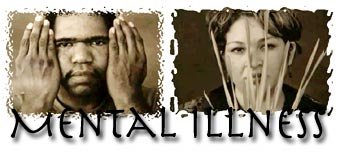
Watch a video on the work of photographer Michael Nye of San Antonio, whose sensitive portraits document the faces of mental illness.

As an evangelical Christian who attends Antioch Community Church in Waco, Stanford understands underlying reasons why many Christians view psychology and psychiatry with suspicion.

“When it comes to the behavioral sciences, many of the early fathers were no friends of religion. That’s certainly true of Freud and Jung,” he noted in an interview.

Many conservative Christians also believe the behavioral sciences tend to justify sin, he added, pointing particularly to homosexual behavior. In 1973, the American Psychiatric Association removed homosexuality from its revised edition of its Diagnostic and Statistical Manual of Mental Disorders.

As a theologically conservative Christian, Stanford stressed the Scripture, not the Diagnostic and Statistical Manual, constitutes the highest authority. But that doesn’t mean the Bible is an encyclopedia of knowledge in all areas, and all people benefit from scientific insights into brain chemistry and the interplay of biological and environmental factors that shape personality.

Furthermore, while he does not presume to diagnose with certainty cases of mental illness millennia after the fact, Stanford believes biblical figures—Job, King Saul of Israel and King Nebuchadnezzar of Babylon, among others—demonstrated symptoms of some types of mental illness.

“Mental disorders do not discriminate according to faith,” he said.

Mental disorders originate in faulty biological processes 

Regardless of their feelings about some psychological or psychiatric approaches, Christians need to recognize mental illnesses are genuine disorders that originate in faulty biological processes, Stanford insisted.

“It’s appropriate for Christians to be careful about approaches to treatment, but they need to understand these are real people dealing with real suffering,” he said.

Richard Brake, director of counseling and psychological services for Baptist Child & Family Services, agrees.

“The personal connection is important. Church leaders need to be open to the idea that there are some real mental health issues in their congregation,” Brake said.

Ministers often have training in pastoral counseling to help people successfully work through normal grief after a loss but may lack the expertise to recognize persistent mental health problems stemming from deeper life issues or biochemical imbalances, he noted.

Internet resources are available through national mental health organizations and associations of Christian mental health providers. But the best way to learn about available mental health treatment—and to determine whether ministers would be comfortable referring people to them—is through personal contact, Brake and Stanford agreed.

“Get to know counselors in the community,” Brake suggested. “Find out how they work, what their belief systems are and how they integrate them into their practices.”

Mental health providers include school counselors and case managers with state agencies, as well as psychiatrists and psychologists in private practice or associated with secular or faith-related treatment facilities, he noted.

Stanford and Brake emphasized the vital importance of making referrals to qualified mental health professionals, but they also stressed the role of churches in creating a supportive and spiritually nurturing environment for people with mental health disorders.

Spiritual effects 

Mental illness does not illustrate lack of faith, but it does have spiritual effects, they agreed.

“Research indicates people with an active faith life who are involved in congregational life get through these problems more smoothly,” Brake said. Churches cannot “fix” people with mental illness, but they can offer support to help them cope.

“The church has a tremendous role to play. Research shows the benefits of a religious social support system,” Stanford said.

They stressed the importance of creating a climate of unconditional love and acceptance for mentally ill people in church—a need Grondin echoed.

“There needs to be an unconditional sense of community and relationships,” she said.

She emphasized the importance of establishing relationships that may not be reciprocally satisfying all the time. People with mental health issues may not be as responsive or appreciative as some Christians would like them to be, she noted.

“Others need to take the initiative and keep the relationship established. People don’t realize how hard it can be (for a person with a mood disorder) to summon the courage just to get out of bed,” Grondin said.

Christians who seek to reach out to people with mental illness need to recognize “they are not able to see things clearly, and it’s not their fault,” Grondin added.

Mostly, Christians need to offer acceptance to people with mental illness—even if they don’t fully understand, she insisted.

“Just be present. Offer support and love,” Grondin concluded. “You won’t always know what to say. Just speak words of support into a life of serious struggles. That means more than anything.”


For more information:

National Alliance on Mental Illness
(800) 950-6264
www.nami.org

Anxiety Disorders Association of America
(240) 485-1001
www.adaa.org

Depression & Bipolar Support Alliance
(800) 826-3632
www.dbsalliance.org

American Association of Christian Counselors
(800) 526-8673
www.aacc.net

Stephen Ministries
(314) 428-2600
www.stephenministries.org

HealthLine
www.healthline.com/health/bipolar-disorder


Through a Glass Darkly: Churches respond to mental illness

Living with depression—or any other form of mental illness—is like viewing life “through a glass darkly,” according to Jessy Grondin, a student in Vanderbilt University’s Divinity School.

“It distorts how you see things.” Like one in four Americans, Grondin wrestles with mental illness, having struggled with severe bouts of depression since her elementary school days.

Depression is one of the most common types of mental illness, along with bipolar disorder, another mood-altering malady. Other forms of mental illness include schizophrenia and disorders related to anxiety, eating, substance abuse and attention deficit/hyperactivity.

Like many Americans with mental illness, Grondin and her family looked to the church for help. And she found the response generally less than helpful.

Because of a fear, mistrust of behavioral sciences, a fuzzy understanding of brain function and a poor theology of sin many Christians, chuches and ministers don't know how to respond to people suffering from mental disorders.

“When I was in the ninth grade and hospitalized for depression, only a couple of people even visited me, and that was kind of awkward. I guess they didn’t know what to say,” said Grondin, who grew up in a Southern Baptist church in Alabama.

Generally, most Christians she knew dealt with her mood disorder by ignoring it, she said.

“It was just nonexistent, like it never happened,” she said. “They never acknowledged it.”

When she was an adolescent, many church members just thought of her as a troublemaker, not a person dealing with an illness, she recalled. A few who acknowledged her diagnosed mood disorder responded with comments Grondin still finds hurtful.

“When dealing with people in the church … some see mental illness as a weakness—a sign you don’t have enough faith,” she said. “They said: ‘It’s a problem of the heart. You need to straighten things out with God.’ They make depression out to be a sin, because you don’t have the joy in your life a Christian is supposed to have.”

A Baylor University study revealed that among Christians who approached their local church for help in response to a personal or family member’s diagnosed mental illness, more than 30 percent were told by a minister that they or their loved one did not really have a mental illness. And 57 percent of the Christians who were told by a minister that they were not mentally ill quit taking their medication.

That troubles neuroscientist Matthew Stanford.

“It’s not a sin to be sick,” he insists.

Tense relationship with behavioral science

Stanford, professor of psychology and neuroscience and director of the doctoral program in psychology at Baylor, acknowledges religion’s longstanding tense relationship with behavioral science. And he believes that conflict destroys lives.

“Men and women with diagnosed mental illness are told they need to pray more and turn from their sin. Mental illness is equated with demon possession, weak faith and generational sin,” Stanford writes in his recently released book, Grace for the Afflicted.

“The underlying cause of this stain on the church is a lack of knowledge, both of basic brain function and of scriptural truth.”

Watch a video on the work of photographer Michael Nye of San Antonio, whose sensitive portraits document the faces of mental illness.

As an evangelical Christian who attends Antioch Community Church in Waco, Stanford understands underlying reasons why many Christians view psychology and psychiatry with suspicion.

“When it comes to the behavioral sciences, many of the early fathers were no friends of religion. That’s certainly true of Freud and Jung,” he noted in an interview.

Many conservative Christians also believe the behavioral sciences tend to justify sin, he added, pointing particularly to homosexual behavior. In 1973, the American Psychiatric Association removed homosexuality from its revised edition of its Diagnostic and Statistical Manual of Mental Disorders.

As a theologically conservative Christian, Stanford stressed the Scripture, not the Diagnostic and Statistical Manual, constitutes the highest authority. But that doesn’t mean the Bible is an encyclopedia of knowledge in all areas, and all people benefit from scientific insights into brain chemistry and the interplay of biological and environmental factors that shape personality.

Furthermore, while he does not presume to diagnose with certainty cases of mental illness millennia after the fact, Stanford believes biblical figures—Job, King Saul of Israel and King Nebuchadnezzar of Babylon, among others—demonstrated symptoms of some types of mental illness.

“Mental disorders do not discriminate according to faith,” he said.

Mental disorders originate in faulty biological processes 

Regardless of their feelings about some psychological or psychiatric approaches, Christians need to recognize mental illnesses are genuine disorders that originate in faulty biological processes, Stanford insisted.

“It’s appropriate for Christians to be careful about approaches to treatment, but they need to understand these are real people dealing with real suffering,” he said.

Richard Brake, director of counseling and psychological services for Baptist Child & Family Services, agrees.

“The personal connection is important. Church leaders need to be open to the idea that there are some real mental health issues in their congregation,” Brake said.

Ministers often have training in pastoral counseling to help people successfully work through normal grief after a loss but may lack the expertise to recognize persistent mental health problems stemming from deeper life issues or biochemical imbalances, he noted.

Internet resources are available through national mental health organizations and associations of Christian mental health providers. But the best way to learn about available mental health treatment—and to determine whether ministers would be comfortable referring people to them—is through personal contact, Brake and Stanford agreed.

“Get to know counselors in the community,” Brake suggested. “Find out how they work, what their belief systems are and how they integrate them into their practices.”

Mental health providers include school counselors and case managers with state agencies, as well as psychiatrists and psychologists in private practice or associated with secular or faith-related treatment facilities, he noted.

Stanford and Brake emphasized the vital importance of making referrals to qualified mental health professionals, but they also stressed the role of churches in creating a supportive and spiritually nurturing environment for people with mental health disorders.

Spiritual effects 

Mental illness does not illustrate lack of faith, but it does have spiritual effects, they agreed.

“Research indicates people with an active faith life who are involved in congregational life get through these problems more smoothly,” Brake said. Churches cannot “fix” people with mental illness, but they can offer support to help them cope.

“The church has a tremendous role to play. Research shows the benefits of a religious social support system,” Stanford said.

They stressed the importance of creating a climate of unconditional love and acceptance for mentally ill people in church—a need Grondin echoed.

“There needs to be an unconditional sense of community and relationships,” she said.

She emphasized the importance of establishing relationships that may not be reciprocally satisfying all the time. People with mental health issues may not be as responsive or appreciative as some Christians would like them to be, she noted.

“Others need to take the initiative and keep the relationship established. People don’t realize how hard it can be (for a person with a mood disorder) to summon the courage just to get out of bed,” Grondin said.

Christians who seek to reach out to people with mental illness need to recognize “they are not able to see things clearly, and it’s not their fault,” Grondin added.

Mostly, Christians need to offer acceptance to people with mental illness—even if they don’t fully understand, she insisted.

“Just be present. Offer support and love,” Grondin concluded. “You won’t always know what to say. Just speak words of support into a life of serious struggles. That means more than anything.”


For more information:

National Alliance on Mental Illness
(800) 950-6264
www.nami.org

Anxiety Disorders Association of America
(240) 485-1001
www.adaa.org

Depression & Bipolar Support Alliance
(800) 826-3632
www.dbsalliance.org

American Association of Christian Counselors
(800) 526-8673
www.aacc.net

Stephen Ministries
(314) 428-2600
www.stephenministries.org