





Posted: 1/05/07
Prize-winning biologist issues plea
for religion, science to save creation
By Bob Abernathy
Religion & Ethics NewsWeekly
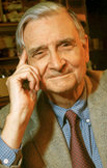
WASHINGTON (RNS)—Pulitzer Prize-winning scientist E.O. Wilson fears for creation—for many of the 10 million or more species of plants and animals he believes are in mortal peril.
Wilson, a biologist who recently retired from Harvard University, has written a new book, The Creation, that is a plea for science and religion to work together to save the species.
“Pastor, we need your help,” he writes. “The creation is the glory of the earth. Let’s see if we can’t get together on saving it, because science and religion are the most powerful social forces on Earth.”
In an interview with Religion & Ethics NewsWeekly, Wilson said his mission is to protect all of the earth’s species. And the greatest threat to biodiversity, he said, is humankind’s appetite for more—more lumber, more food, more minerals and more space—to support a population of 6.5 billion people that soon will swell to 9 billion.
“We are threatened by the immense loss of future scientific knowledge, of future products that could enrich humanity and give us a higher quality of life,” he said. “But the loss that I care about most is in our … spiritual enrichment … in living in the magnificent original environment in which humanity was born.”
The natural world, Wilson said, provides humanity with untold gifts. It cleans water, pollinates plants and provides pharmaceuticals, he noted.
“Thirty trillion dollars worth of services, scot-free to humanity, every year,” he said.
Scientists have identified 25 so-called “hotspots”—covering about 2.5 percent of Earth’s surface—in which nearly half of all the plant and animal species have been found. Wilson wants the world to spend $30 billion to protect those ecosystems—“to throw an umbrella over them.” The same species in other places might be endangered, but those in the hotspots would survive.
 |
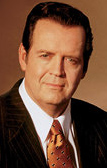 |
| Wilson | Land |
Wilson, long an outspoken secular humanist, was raised a Southern Baptist in Alabama, and his book, The Creation, is addressed to an imaginary Southern Baptist pastor. That imaginary pastor could be Richard Land, who heads Southern Baptists’ Ethics & Religious Liberty Commission and is a major spokesman for conservative religious viewpoints. Land has written his own book on the environment, The Earth is the Lord’s.
Land argues that in the first chapter of Genesis, “God put man in charge (of creation) under his headship. Human beings have dominion and are given dominion.”
But that’s tempered by the next chapter in Genesis, where man is put into the Garden (of Eden) to till it and keep it, he noted.
“We’re not to just worship nature in its pristine form,” Land said. “We have a divinely mandated responsibility to both develop the earth for human betterment and to protect it and to guard it and keep it and exercise creation care.”
Land accuses Wilson of being too concerned about wildlife and not enough about humanity.
“He looks upon human beings as an alien species to the habitat of nature, and that we are the ones that are destructive and that we have been a catastrophic event. Nature would have been far better off without human beings,” Land said.
“As a Christian, we believe that God created the creation for humankind. So, while we are to give respect to all life, we must treat human life with reverence. And there is in Christian theology a hierarchy of species. And there is a firebreak between humans and the rest of creation. It is human beings that God gave soul.”
Land said humans need to do what they can to protect other species “without causing grievous harm to human beings. There’s the difference—without causing grievous harm to human beings.”
Millions of people, especially the very poor, would be devastated by some proposals for protecting the environment, Land asserted.
But Wilson insists biodiversity could be protected without hurting humans.
“It would increase our standard of living if we did it sensibly with less material and energy consumption and conservation of the rest of life.” Wilson said. “We can actually increase the productivity of the world while saving all of the—or most of the—remaining species.”






We seek to connect God’s story and God’s people around the world. To learn more about God’s story, click here.
Send comments and feedback to Eric Black, our editor. For comments to be published, please specify “letter to the editor.” Maximum length for publication is 300 words.